
Survey record
Panel condition, fixing integrity, lap joints, sealants, cut edges, flashings and water-ingress routes recorded before the coating scope is finalised.
TopSpray35 application evidence
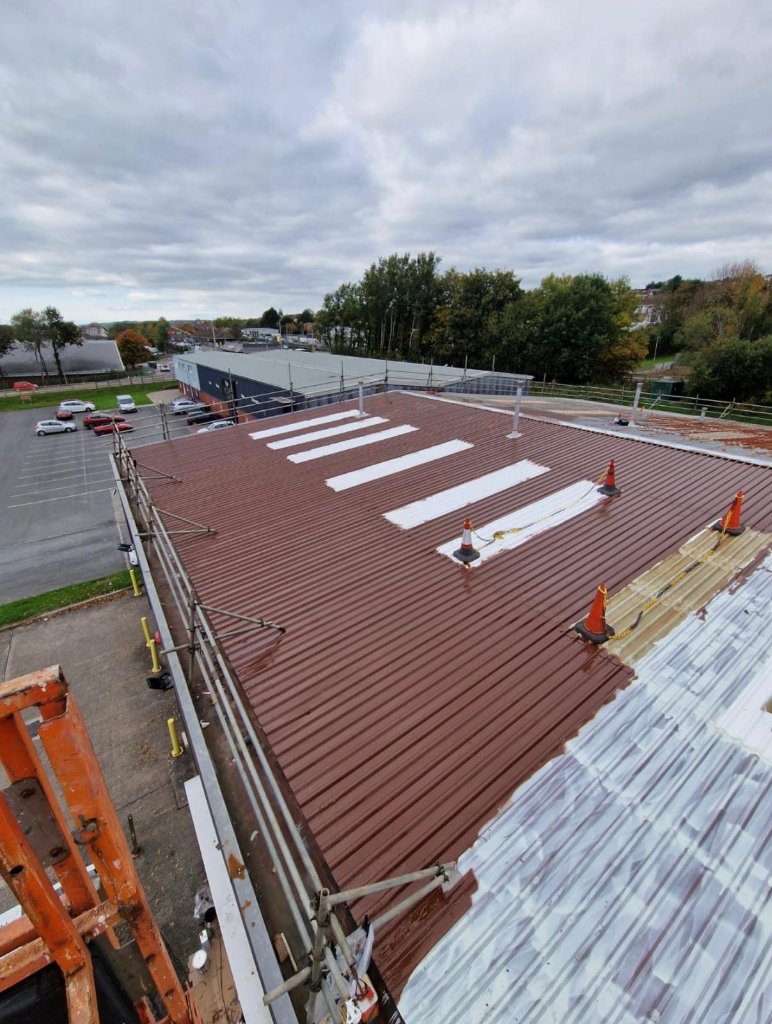
This gallery shows TopSpray35 protective coating applied by airless spray to profiled metal cladding. It is application evidence—not a substitute for a named case file containing the client, area, preparation records, film-thickness checks and warranty documents.
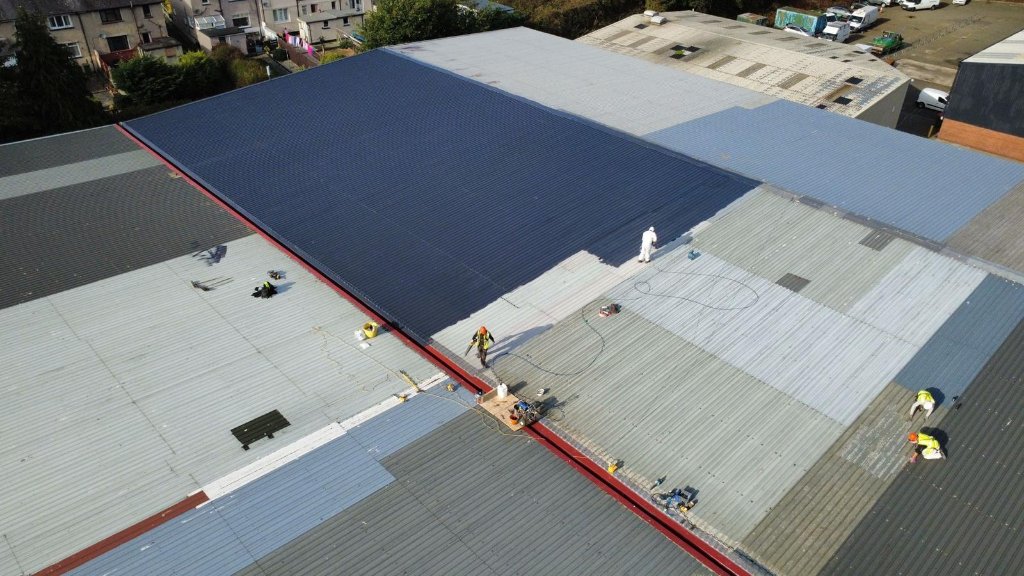
What the public footage supports
What is not publicly documented here
Application gallery


What a defensible case file should contain
Before a project is presented as a completed case study, the technical and commercial record should show how the scope was selected and how application quality was controlled.
Panel condition, fixing integrity, lap joints, sealants, cut edges, flashings and water-ingress routes recorded before the coating scope is finalised.
Existing finish, cleaning, abrasion or removal method, corrosion treatment, primer, coat count and consumption documented for the actual substrate.
Ambient and surface temperature, relative humidity, dew-point margin, pot life, recoat window and application rate recorded during works.
Consistent spray technique, masking, edge coverage, wet-film or dry-film checks and visual inspection completed across representative areas.
Approved specification, trained applicator status, product batch records, inspection photographs and manufacturer acceptance retained where a warranty route applies.
Repairs, exclusions, maintenance expectations, colour reference and inspection records supplied so the owner knows what was completed and what remains outside the coating scope.
Use this evidence correctly
Photographs can demonstrate access method, spray application and completed appearance. They cannot independently prove the substrate was suitable, the specified dry-film thickness was achieved, a warranty was issued or a particular service life has been delivered.
For a current project, Forti Nova’s role is to establish the technical route, coordinate product and approved-contractor input, and define the records needed for the project-specific warranty pathway.
Privacy controls
Necessary storage keeps the site working. With your permission, analytics and advertising storage help us understand which campaigns produce calls and project enquiries. Rejecting optional storage will not affect the website or your ability to contact us.
Read our Privacy Policy.