
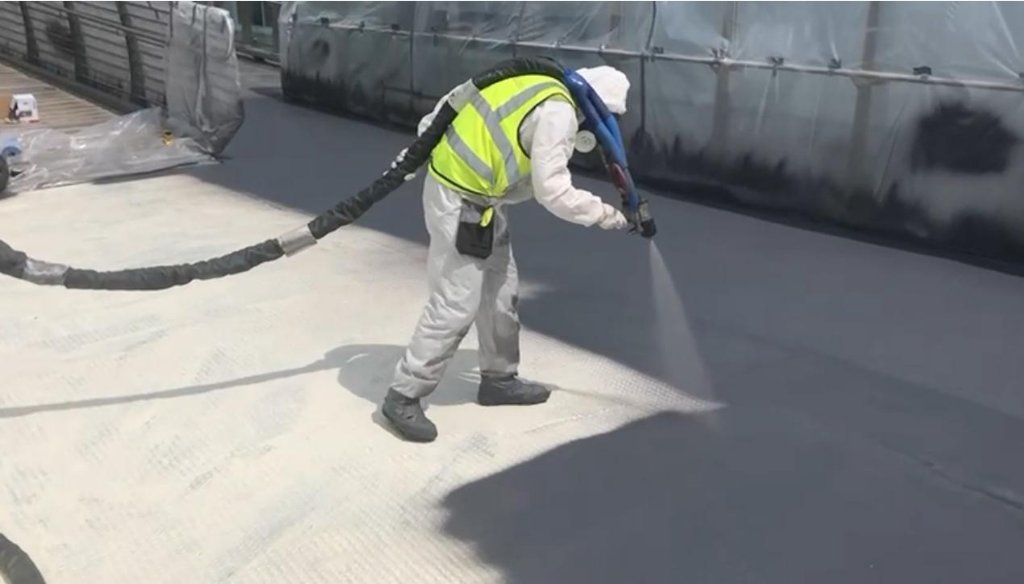

Rocathaan HotSprayPA 260-FR
Heated plural-component spray-applied aromatic pure-polyurea membrane for rapid waterproofing and protective lining. Solvent-free. 12–15 second reaction time. BRoof(t4) referenced for documented tested roofing assemblies. Hotspray equipment and trained approved applicator required.
180–200bar
Spray temperature 85°C · 1:1 mix ratio · Hose 78–82°C
Chemistry
Aromatic Pure 100% Polyurea — Solvent-Free
Reaction Time
12–15 Seconds (PDS 19260)
Elongation
±1900% DIN 53504 (PDS 19260)
Fire Classification
BRoof(t4) — Documented Tested Roofing Assemblies
Rocathaan HotSpray PA 260-FR Quick Answers
Forti Nova works directly with Prokol as an Outreach Partner, supporting Rocathaan HotSpray specifications through technical assessment guidance, product supply, trained applicator coordination and project support.
What it is
What is Rocathaan HotSpray PA 260-FR?
A heated plural-component spray-applied aromatic pure-polyurea membrane for rapid waterproofing and protective lining. Solvent-free (VOC quantity 0 gram/kg per PDS). 12–15 second reaction time. BRoof(t4) classification referenced for documented tested roofing assemblies. Requires hotspray equipment and trained approved applicators — not suitable for general contractors.
What it is used for
What applications is PA 260-FR used for?
Seamless roofing and roof refurbishment; protective lining for suitable industrial, structural and below-ground applications; application over polyurethane foam, XPS and PIR insulation substrates. Each application type and build-up must be confirmed for the specific project.
What it is not
What is PA 260-FR not?
It is not a standard traffic-deck system by default, a PA136 substitute, a universal car park wearing course, a finished floor system, a universal chemical lining without project-specific confirmation, or a product suitable for general contractors without hotspray equipment.
UV colour change
Will it change colour under UV?
The PDS states it will yellow or darken and become flat (lose gloss) under UV exposure. The PDS does not state this has no effect on performance. Exposed-service requirements and any compatible topcoat must be confirmed per project. Topcoat compatibility must be verified — no specific compatible product is named in the PDS.
Fire classification
What fire classification is referenced?
The PDS references EN 13501-5 BRoof(t4) (Report 19936B, Warrington Fire) for documented tested roofing assemblies. Classification applies only to the documented tested roofing construction and does not apply automatically to untested configurations. Other assembly-specific fire-classification documentation may be available on request.
Equipment required
What equipment is required?
Heated plural-component (hotspray) equipment with AP pistol at 180–200 bar. Spray temperature 85°C on both A and B sides. Hose temperature 78–82°C. 1:1 mixing ratio by volume. Specialist contractor with verified hotspray plant and trained operator required.
Safety obligations
What safety obligations apply?
Hardener (19260-H) classified under GB CLP: Carc. 2 (H351), Resp. Sens. 1 (H334), Acute Tox. 4 (H332), STOT RE 2 (H373). SDS states adequate training required before professional use from 24 August 2023. Application must follow current SDS, COSHH assessment and RPE requirements.
Rapid Polyurea Waterproofing & Protective Lining
Rocathaan HotSpray PA 260-FR is a highly reactive aromatic pure-polyurea membrane applied by heated plural-component hotspray equipment. It provides a seamless, solvent-free waterproofing and protective layer for roofing and suitable industrial applications. Each application type and build-up must be confirmed per project.
Roofing — New and Refurbishment
Seamless hotspray roofing membrane for new construction and refurbishment. Suitable over mineral substrates, bitumen, polyurethane foam, XPS and PIR insulation boards as part of a confirmed roofing build-up. BRoof(t4) classification referenced by the PDS for documented tested roofing assemblies — exact tested construction must be confirmed before specification.
Protective Lining Applications
PA 260-FR is applied as a protective lining membrane in suitable industrial, structural or below-ground configurations. Each application must be confirmed for substrate compatibility, exposure, required thickness, primer selection and system build-up. Universal chemical or immersion resistance must not be assumed without project-specific confirmation.
Over Polyurethane Foam, XPS & PIR Substrates
Direct application over polyurethane spray foam is a primary use case stated in the PDS. Suitable over XPS and PIR insulation boards where the surface has a closed structure without pores and is clean, dry and free from grease. Primer or webbing required where specified.
Metal & Mineral Substrates
Steel requires blast to anchor profile 75–100 micron per DIN EN ISO 12944 Part 4. Concrete and mineral substrates require minimum 25 N/mm² compressive strength, minimum 1.5 N/mm² bond strength (2.0 N/mm² for heavy-duty), moisture content below 4%, and primer application. Preparation scope must be confirmed per project.
Aromatic Polyurea — Understanding the Chemistry
Performance Properties (PDS 19260)
PA 260-FR delivers outstanding performance properties per PDS: ±1900% elongation (DIN 53504), Shore A hardness 87 ±5 (DIN 53505 / ASTM D2240), tensile strength ±13.6 N/mm² (DIN 53504). TG value of 130°C is the glass transition temperature — a thermal analysis value, not a service-temperature limit. Properties stated at 2 mm layer thickness. VOC quantity: 0 gram/kg (per PDS). Solvent-free formulation.
UV Colour Change — PDS Statement
The PDS states: "Due to its aromatic composition, Rocathaan Hotspray PA 260-FR, will tend to yellow or darken in colour and become flat after exposure to UV light." The PDS does not contain a statement that waterproof or mechanical performance is unaffected. Colour change alone does not necessarily indicate immediate membrane failure. Exposed-service requirements and any compatible topcoat must be confirmed within the project specification. The PDS states any top coating "must be suitable for the purpose and elasticity of the soft polyurea" — no specific topcoat is named.
Specialist Equipment and Trained Applicators Required
Rocathaan HotSpray PA 260-FR requires heated plural-component (hotspray) equipment and trained approved applicators. It is not suitable for application with standard spray equipment and cannot be applied by general contractors. The hardener component contains MDI — application must follow the current SDS, task-specific COSHH assessment and RPE requirements. Diisocyanate training and evidence of operator competency must be confirmed before professional use where legally required. Contact Forti Nova for applicator availability and project assessment guidance. Request assessment →
Is Rocathaan HotSpray PA 260-FR suitable for your project?
Suitability depends on substrate type, surface condition, moisture content, exposure, required build-up and the specific application type. Visual inspection alone is insufficient. A project-specific assessment — including substrate survey, primer selection and system confirmation — is required before PA 260-FR can be correctly specified.
Assessment Required
Hotspray equipment and trained approved applicators must be confirmed at enquiry stage. Application requires suitable environmental conditions — no application below +5°C surface temperature or above 85% RH.
Potentially Suitable Applications
Subject to project-specific substrate assessment, preparation confirmation, primer selection and system build-up review.
- Roofing — new build and refurbishment, confirmed assembly
- Over polyurethane foam, XPS and PIR insulation
- Bitumen substrates — clean, primed where required
- Concrete and mineral — preparation and primer confirmed
- Steel — blasted to 75–100 micron anchor profile
- Protective lining — application type and exposure confirmed
Not Suitable Without Specific Confirmation
- Car park wearing course — system build-up must be confirmed per project; not a default traffic deck system
- PA136 substitute — distinct product family, different properties
- Universal chemical or immersion resistance — confirm per exposure
- Finished floor system — surface finish and slip resistance must be confirmed
- Application below +5°C surface temperature or above 85% RH
- Substrates with moisture content above 4% by weight
- Structurally defective concrete — repair required before application
- Application without hotspray equipment and trained operator
Survey Requirements
- Substrate type and structural condition
- Moisture content (concrete: below 4% by weight)
- Dew point check — surface ≥3°C above dew point
- Contamination and surface cleanliness
- Primer requirement — substrate-specific
- Existing coating type and adhesion condition
Cannot Be Assumed Without Confirmation
- Primer requirement — varies by substrate type
- Chemical resistance for specific exposure
- Car park or traffic deck system suitability
- Fire classification transfer to untested assemblies
- Equipment and trained applicator availability
- A-component homogeneity without 20-min pre-mixing
Possible Failure Indicators
Possible contributing causes — investigation and professional assessment required in all cases.
Blistering or bubbling after application
Possible contributing causes include elevated substrate moisture at time of application exceeding 4% by weight, or condensation on the surface. Moisture causes vapour pressure development beneath the cured membrane.
Required Response
Investigate moisture source. Allow substrate to dry to within specified limits, reconfirm moisture content and dew-point compliance, reapply within confirmed conditions.
Adhesion loss or delamination
Possible contributing causes include insufficient substrate preparation, missed or incorrect primer for the substrate type, contamination not removed, or surface temperature outside the +5°C to +30°C limit at time of application.
Required Response
Investigate adhesion failure across the substrate. Review preparation records, primer selection and ambient conditions against PDS limits. Confirm preparation scope with the technical team.
Amine or isocyanate bleed appearing weeks after application
The PDS identifies this as a consequence of non-homogeneous A (base) component before application. For first use of a 200-litre drum or after a long idle period, insufficient mixing allows unmixed material to enter the spray system.
Required Response
Review mixing records. A component must be mixed for minimum 20 minutes (45 minutes for 200L first use or after long idle period). Non-homogeneous mixing is a preparation defect requiring investigation and reapplication over affected areas.
Specification Data
- Chemistry
- Aromatic pure 100% polyurea — solvent-free
- VOC Quantity
- 0 gram/kg (PDS)
- Article Number
- 19260 (45 kg set: 19260-20 / 452 kg set: 19260-200)
- Application Method
- Heated plural-component hotspray equipment with suitable spray pistol
- Spraying Pressure (AP Pistol)
- 180–200 bar
- Spray Temperature A & B
- 85°C on both components
- Hose Temperature
- 78–82°C
- Mixing Ratio
- 1:1 by volume
- Reaction Time
- 12–15 seconds
- Tack Free
- 30–120 seconds
- Minimum Thickness
- From 1.5 mm; 2.0 mm (hard/stable); 2.5 mm (bitumen, PU foam)
- Consumption
- 1.12 kg/m²/mm DFT
- Surface Temperature
- +5°C to +30°C
- Max Relative Humidity
- Below 85% RH
- Dew Point
- Surface at least 3°C above dew point
- Elongation at Break
- ±1900% (DIN 53504)
- Tensile Strength
- ±13.6 N/mm² (DIN 53504)
- Shore A Hardness
- 87 ±5 (DIN 53505 / ASTM D2240)
- TG Value (glass transition)
- 130°C — thermal analysis value, not a service-temperature limit
- Specific Gravity
- 1.12 kg/l
- Flash Point
- >100°C
- Shelf Life
- Min. 12 months unopened, stored 15–25°C
Pre-Application & Equipment Preparation
Materials in vessels must be at minimum 15°C and maximum 35°C before commencing. Mix the A (base/amine) component for a minimum of 20 minutes before starting to heat and circulate through the pump — use a Twistork-helix mixer to obtain a homogeneous mass. For a 200-litre drum used for the first time or after a long idle period, mix intensively for 45 minutes. The PDS states: non-homogenous mixed products lead to deviating features in the end-result — after weeks or months, this may lead to amine or isocyanate remnants bleeding into the finish.
Safety: Do not inhale spray mist. Application must follow the current SDS, task-specific COSHH assessment, ventilation and respiratory-protection requirements. Diisocyanate training and evidence of operator competency must be confirmed before professional use where legally required. The SDS confirms: hardener classified Carc. 2 (H351), Resp. Sens. 1 (H334), Acute Tox. 4 (H332), STOT RE 2 (H373). This is a summary only — refer to the current hardener SDS for complete requirements.
Substrate Preparation by Type
Bitumen Surfaces
Clean and free of grease. Remove all loose material. Primer may be required — confirm with primer overview.
Polyurethane Foam / XPS / PIR
Closed surface structure without pores. Dry, clean and free of grease. Primer or webbing where specified.
Mineral / Concrete
Min. 25 N/mm² compressive strength. Min. 1.5 N/mm² bond strength (2.0 N/mm² heavy-duty). Moisture content <4%. All friable material removed. Primer required.
Metal / Steel
Blast to anchor profile 75–100 micron per DIN EN ISO 12944 Part 4. Use filters to avoid clogging drains during preparation.
Wooden Surfaces
Closed-structure wood only. Pressed materials preferred. Primer may be required — confirm per substrate.
General Requirement
Surface must be dry, clean and free of grease. Treat correctly and apply appropriate primer or webbing where required.
Fire Classification
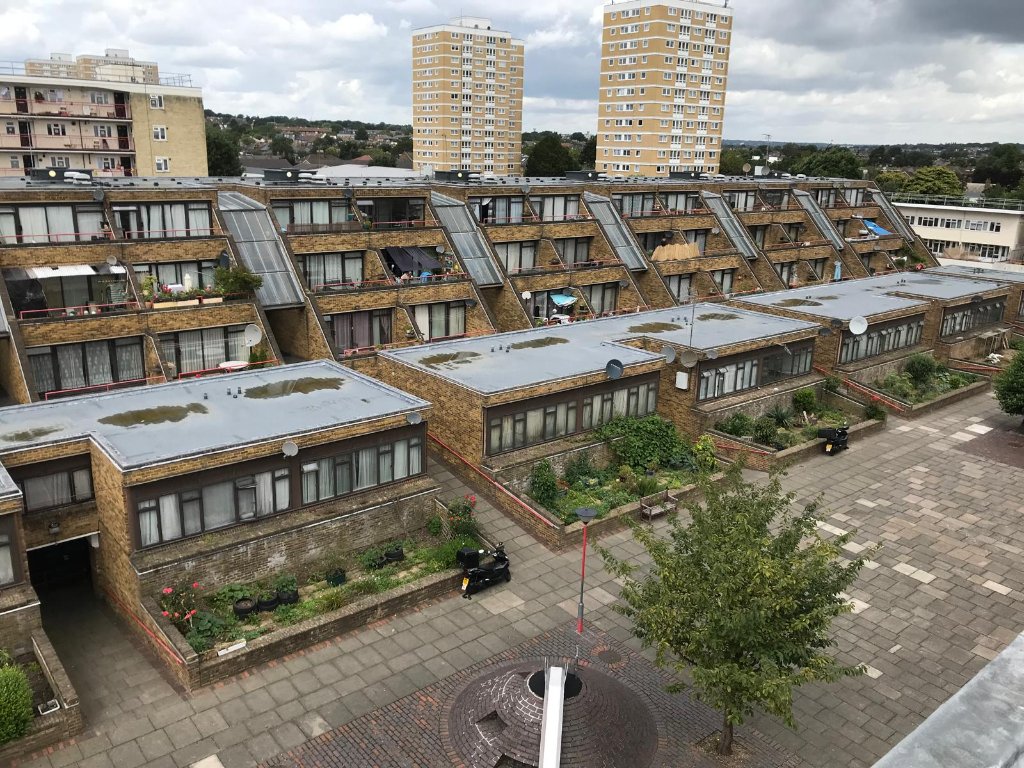
The PDS references the following classifications. Each belongs to the specific tested roofing assembly documented in the referenced report — classification does not automatically transfer to untested assemblies, traffic decks, floor linings or other application types. Full test reports should be confirmed for the exact project assembly before specification.
BRoof(t4) — EN 13501-5
Referenced in the manufacturer PDS under Warrington Fire Report 19936B. Classification applies only to the documented tested roofing construction. Confirm the applicable classification report and exact assembly before specification.
Other assembly-specific fire-classification documentation may be available on request. Classification does not transfer to untested assemblies, traffic decks, floor linings or other application types.
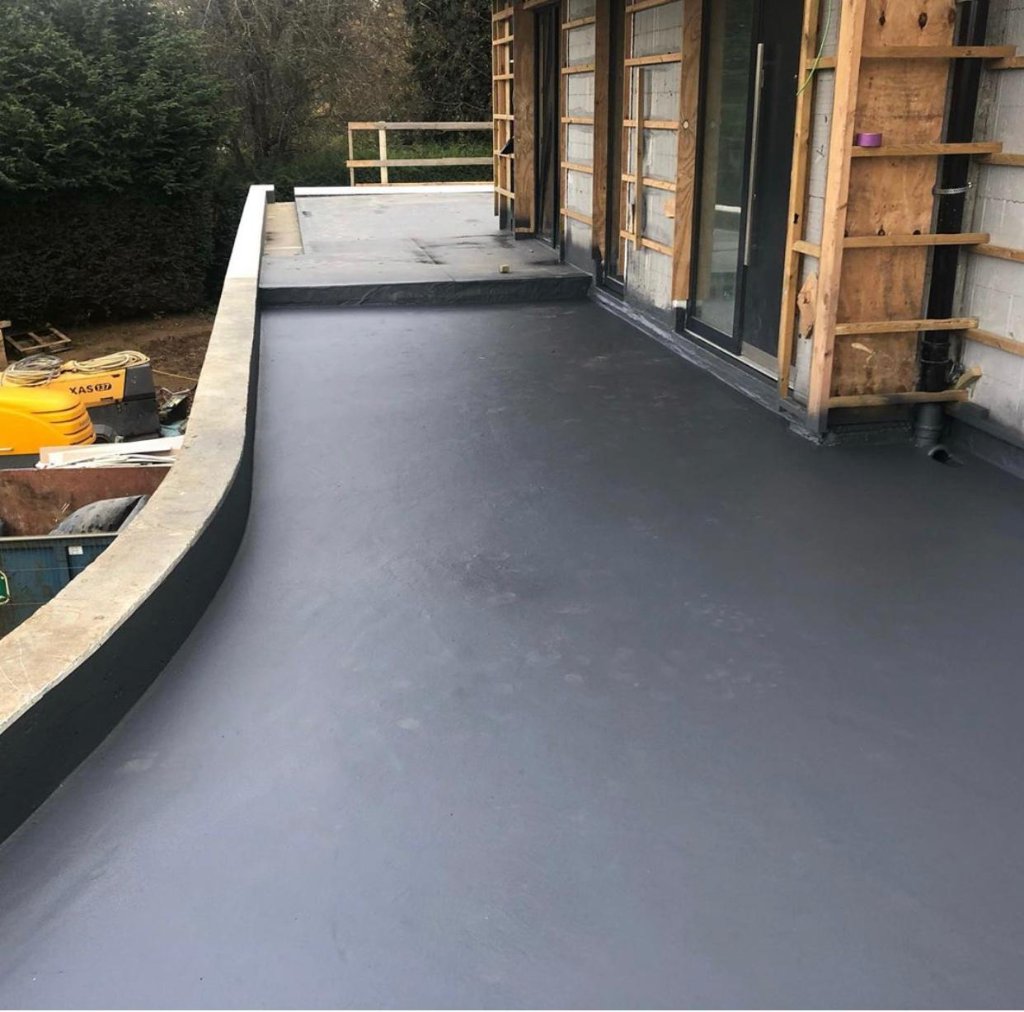
Return to Service
Reaction, Tack-Free and Recoat Data
Times and values at 20°C. Affected by surface conditions, product temperature, relative humidity and layer thickness.
Reaction Time
12–15 seconds
Time for visible reaction between mixed components
Tack Free
30–120 seconds
Surface no longer tacky to touch
Recoat (solvent-free)
Min. 1 hour — Max. 48 hours
Window for applying next solvent-free layer
Recoat (solvent-based)
Min. 12 hours — Max. 72 hours
Window for applying next solvent-based layer
Chemical Resistance
7 × 24 hours*
Return-to-service period from PDS (asterisk conditions apply)
Mechanical Resistance
2 × 24 hours*
Return-to-service period from PDS (asterisk conditions apply)
* PDS note: "At 20°C. Times and values are approximate and affected by surface conditions, product temperature, relative humidity and layer thickness." Chemical resistance values are return-to-service periods and do not constitute a guarantee of resistance to all chemicals. Confirm suitability for specific chemical exposure per project.
Gallery & Documents
Project imagery and technical documentation for Rocathaan HotSpray PA 260-FR.
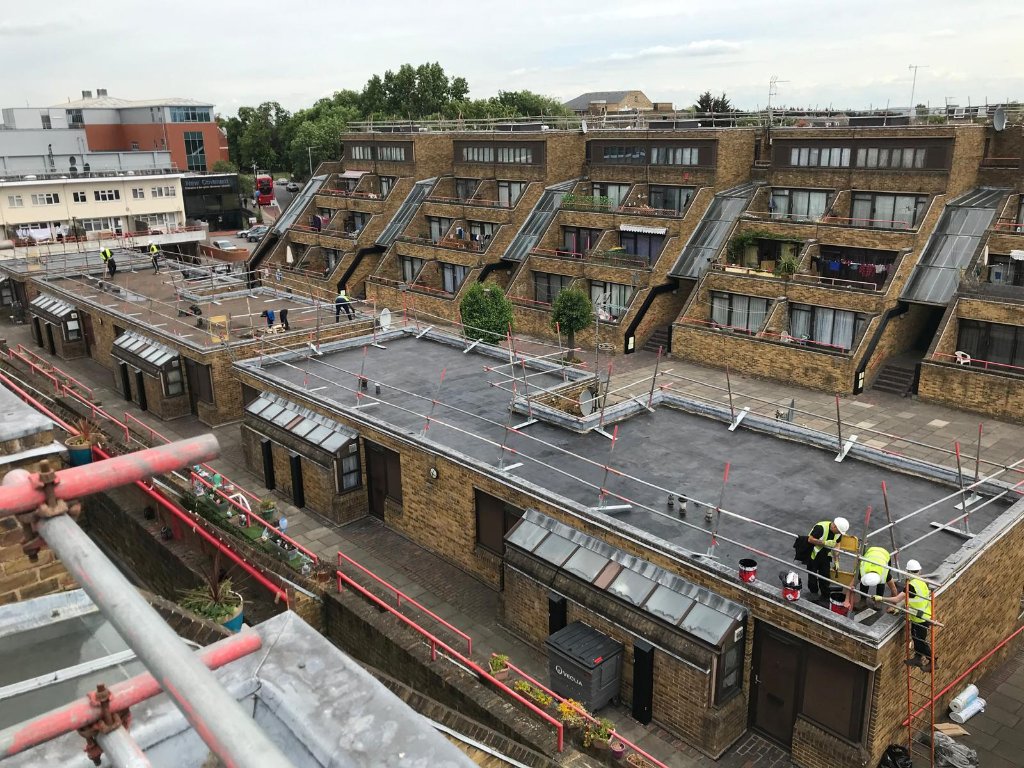
Heated plural-component polyurea spray application
Plural-component spray equipment in operation
Spray-applied membrane over prepared substrate
Hotspray equipment in operation during polyurea membrane application
Spray-applied polyurea membrane coating application
Completed spray-applied polyurea membrane
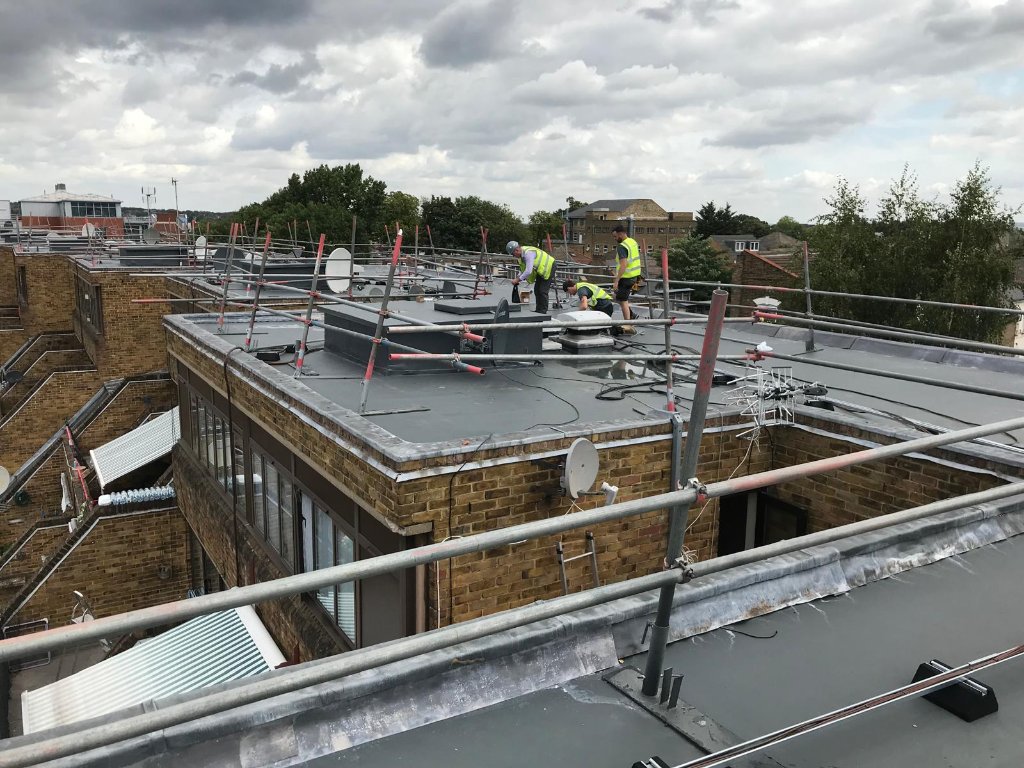
Full-coverage seamless polyurea membrane application
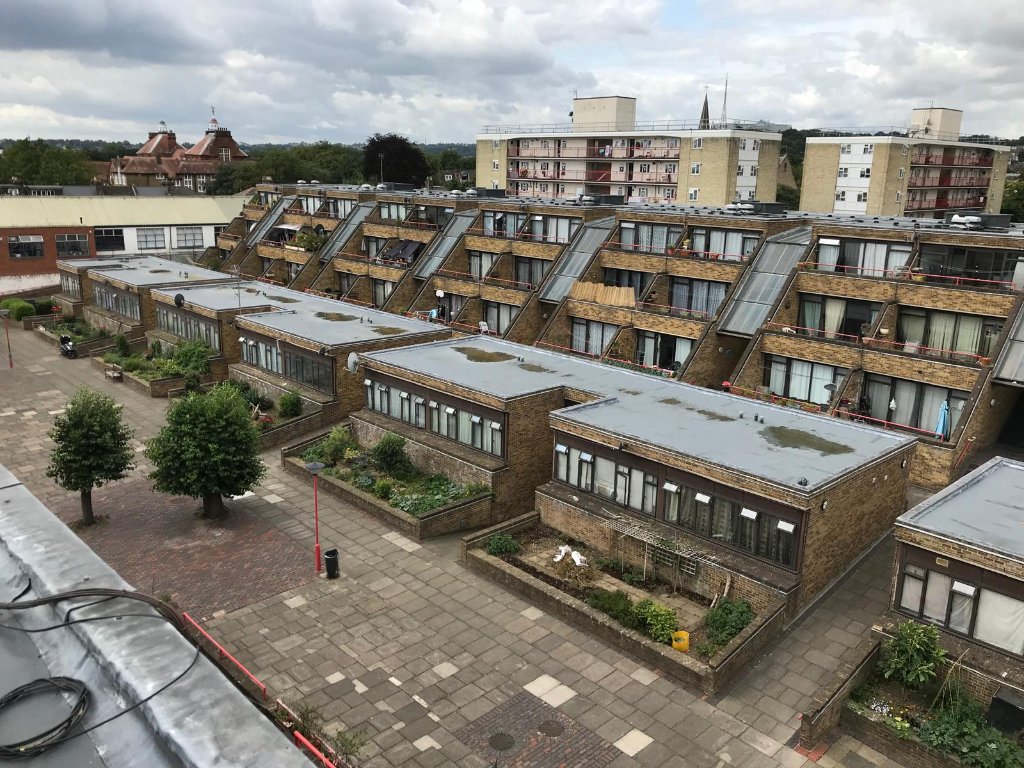
Heated plural-component polyurea spray application
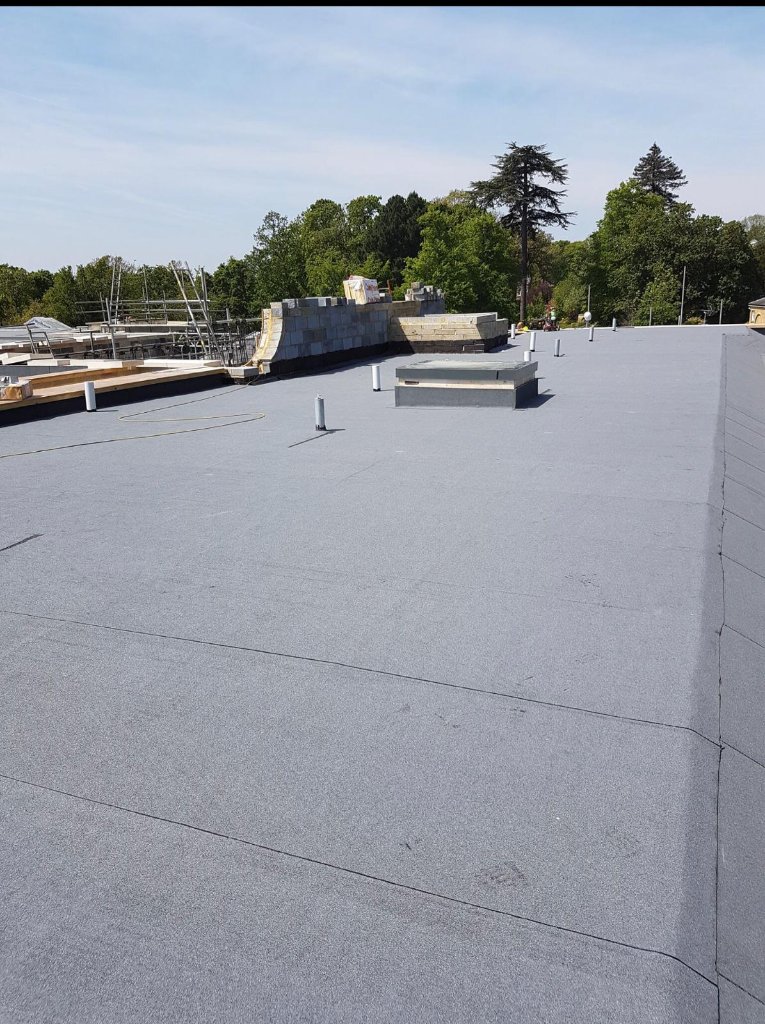
Polyurea membrane coating application process
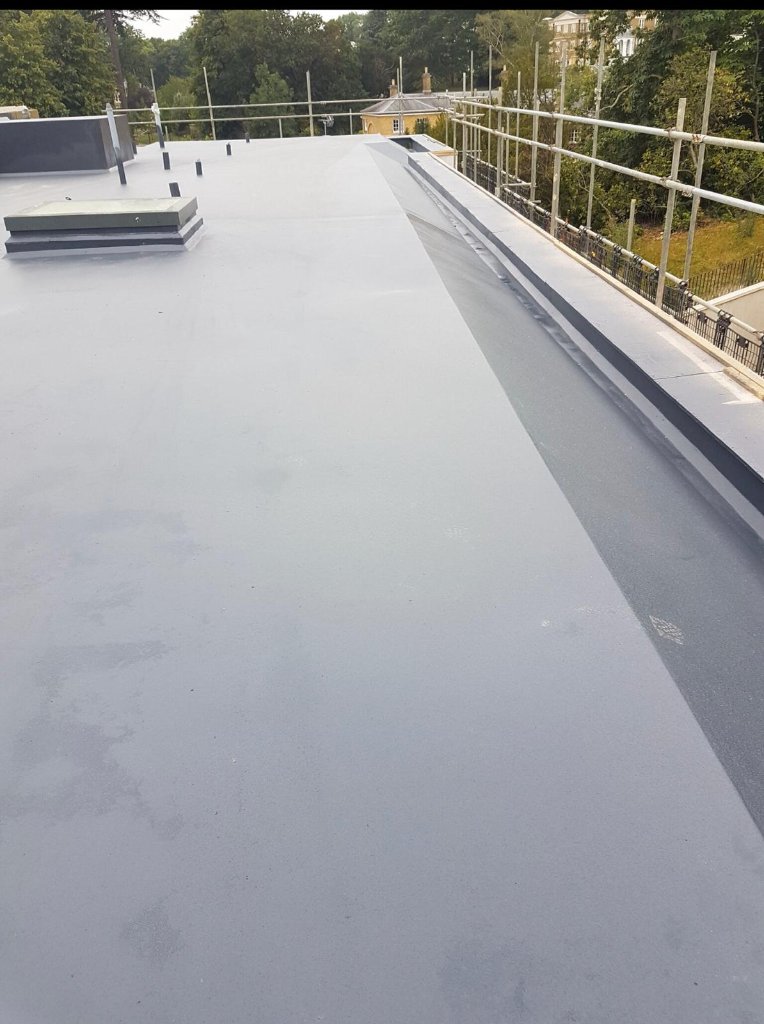
Spray-applied polyurea membrane over prepared surface
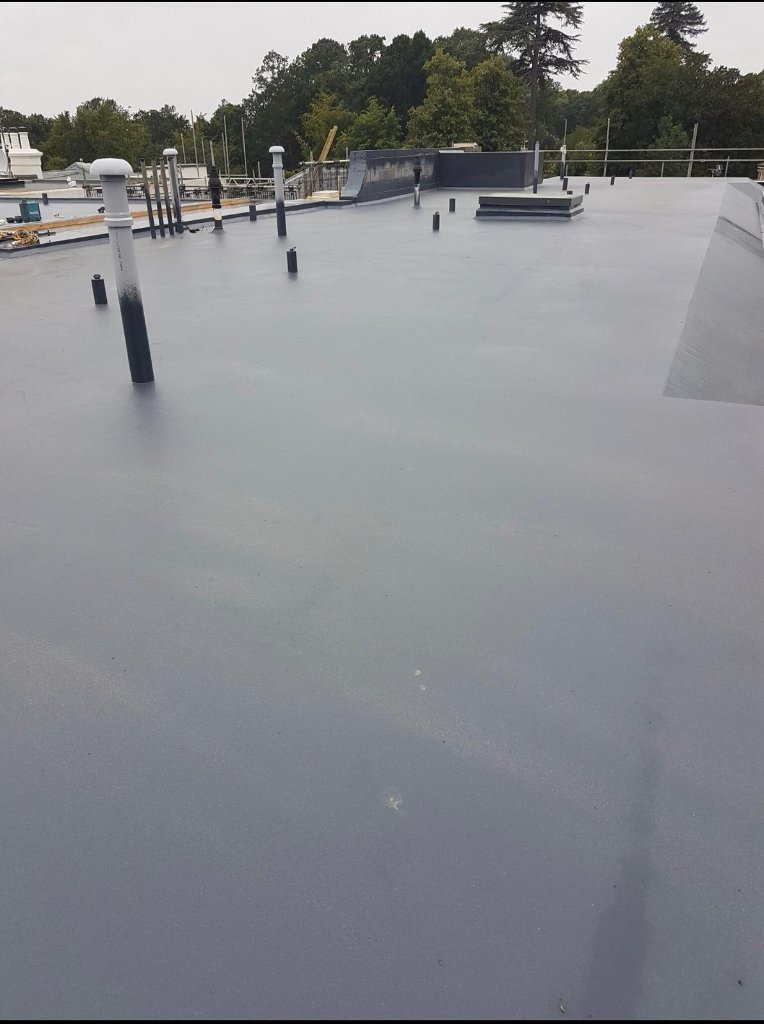
Polyurea membrane applied across complex details
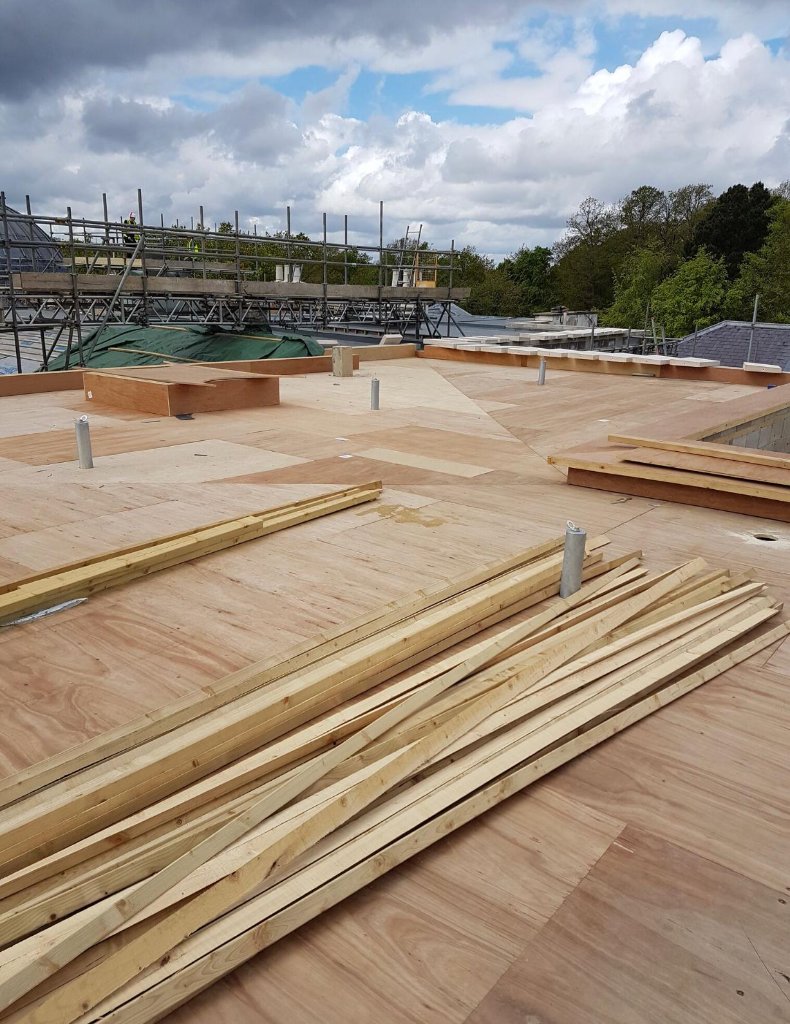
Completed hotspray polyurea membrane application
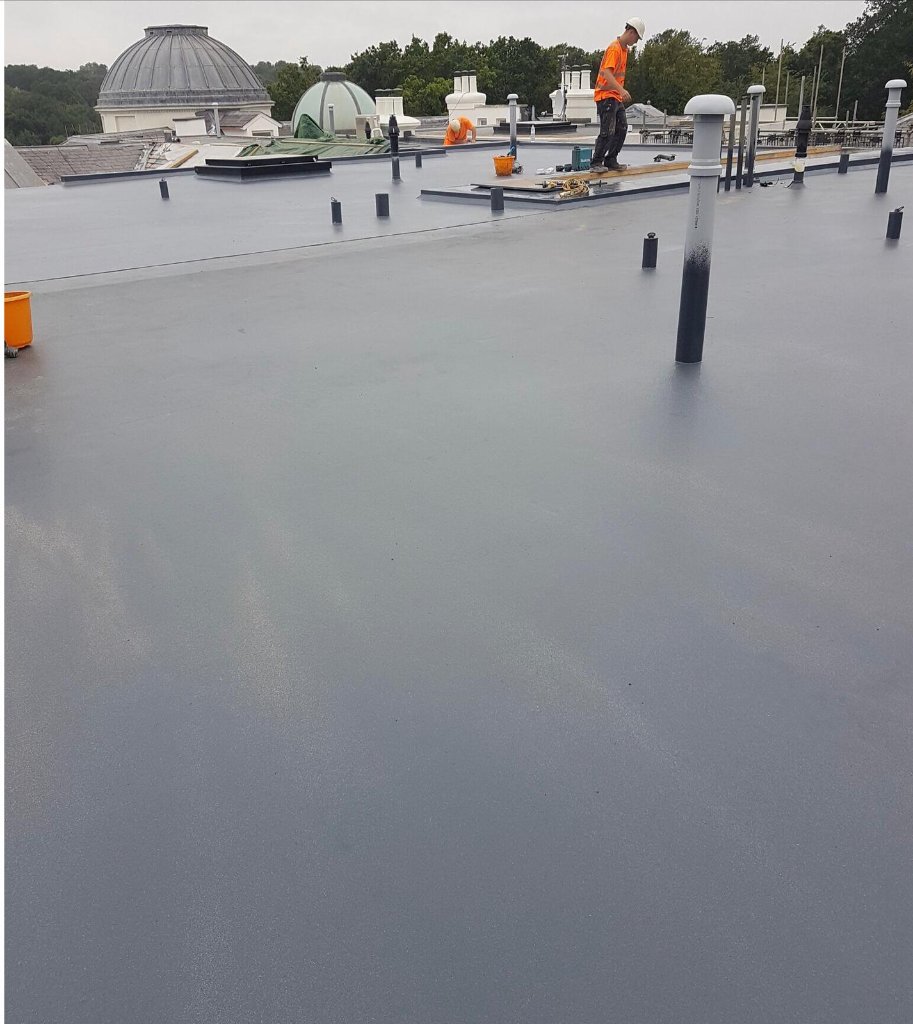
Spray-applied aromatic polyurea membrane on industrial substrate
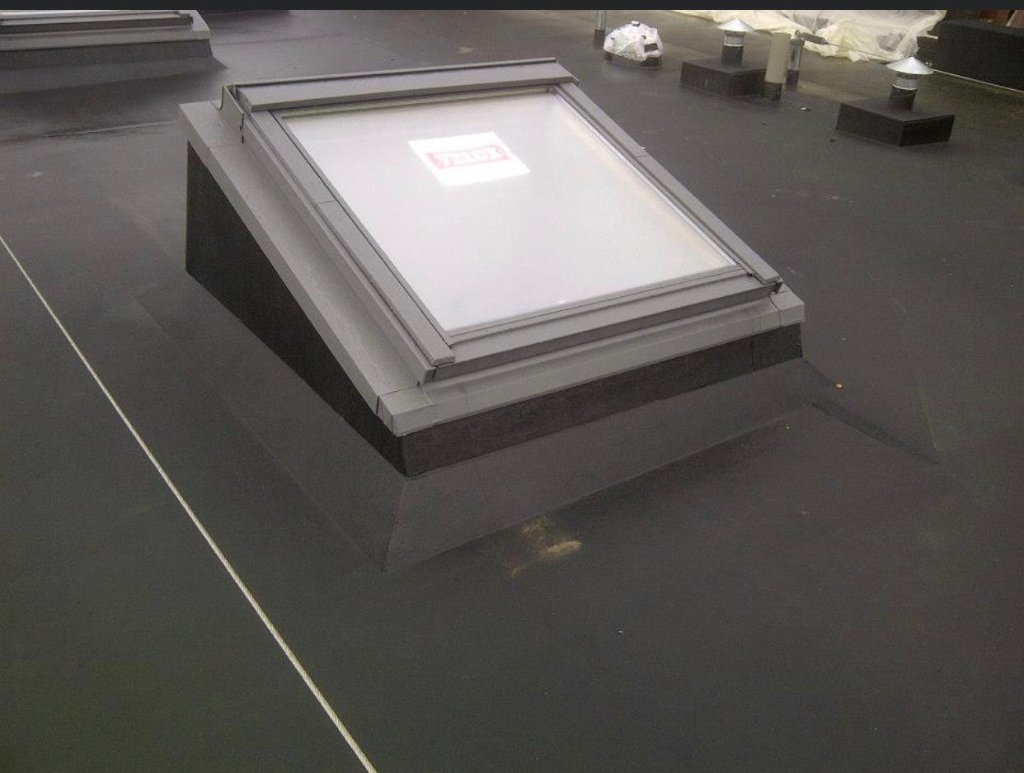
Close-up detail of hotspray polyurea membrane coating
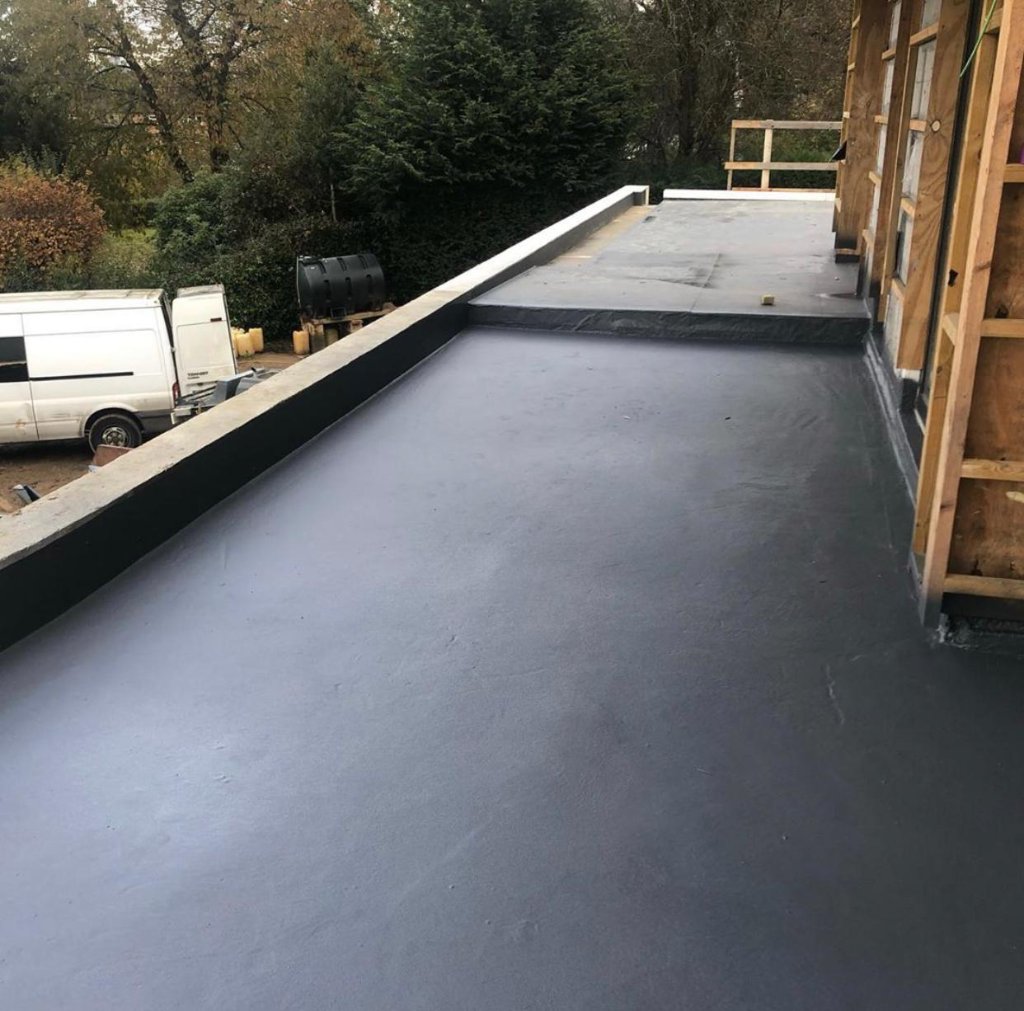
Large-area polyurea membrane application
Hotspray polyurea application across complex geometry and transitions
Technical Documentation
Rocathaan HotSpray PA 260-FR Technical Documentation — Available on Request
Technical Data Sheets, Safety Data Sheets and application guidance are available directly from our technical team. Email Info@FortiNova.co.uk with the product name and document type required.
Rocathaan HotSpray PA 260-FR — Technical Information
Rocathaan HotSpray PA 260-FR — Product Data Sheet (Article 19260)
Available on request — contact the technical team.
Safety Data Sheet — Hardener (Article 19260-H, EN, GB CLP)
Available to download. Contains MDI — classified Carc. 2 (H351), Resp. Sens. 1 (H334). Diisocyanate training required before professional use. Full COSHH assessment and RPE requirements apply.
Safety Data Sheet — Base (Article 19260-B, EN)
Available to download. Classified Skin Corr. 1C (H314), Eye Dam. 1 (H318). Full PPE and handling requirements per current SDS.
Related Systems
Important: All technical datasheets and safety documentation must be reviewed prior to specification and installation. Any warranty is project-specific and conditional on full compliance with manufacturer application requirements and trained approved applicator installation.
Rocathaan HotSpray PA 260-FR Common Questions
Specification intelligence for contractors, specifiers and facilities managers.
Discuss a Rocathaan HotSpray Project
Submit your project details for substrate assessment guidance, system-selection support, specification guidance, trained applicator coordination and manufacturer liaison.
Substrate & System Assessment Guidance
Substrate type, moisture condition, primer requirement and system build-up reviewed and discussed for the project before specification.
Equipment & Applicator Coordination
Hotspray equipment availability and trained approved applicator availability confirmed at enquiry stage.
Specification & Manufacturer Liaison
Technical assessment guidance, preparation scope, environmental requirements and manufacturer coordination for your project.
Rocathaan HotSpray — Specialist Applicator Requirement
PA 260-FR is not a product that can be applied by a trained general waterproofing contractor. The application process requires specialist competency covering heated plural-component equipment, equipment setup and calibration, spray technique, substrate and primer knowledge, and diisocyanate safety competency.
Heated Plural-Component Equipment
Operators must be trained and competent on hotspray equipment including temperature, pressure, hose and mixing chamber management. Equipment calibration affects membrane uniformity directly.
Diisocyanate Competency
The SDS requires adequate training before professional use of this MDI-containing product from 24 August 2023. Documented proof of training must be held by the applicator.
Substrate, Primer and A-Component Preparation
Correct identification of substrate type, primer selection, surface moisture content, and A-component pre-mixing are all critical to adhesion quality and the avoidance of post-application amine or isocyanate bleed.
Manufacturer Coordination
For projects requiring manufacturer-level technical support, Forti Nova can provide coordination with Prokol through our Outreach Partner relationship.
Applicator Enquiry
Confirm Applicator Availability for Your Project
Forti Nova coordinates trained applicator availability for Rocathaan HotSpray PA 260-FR projects. Confirm project location, substrate type and programme requirement and we will advise on applicator availability and lead time.
Discuss Applicator RequirementOr call 01254 241744
Is Rocathaan HotSpray suitable for your project?
Request assessment guidance to confirm substrate compatibility, system build-up, equipment and trained applicator availability.