

BelowGrade Below-Ground Waterproofing Membrane
BelowGrade is a two-component, spray-applied waterproofing membrane used to form a fully bonded external barrier over suitable prepared below-ground substrates. Substrate condition, water exposure, movement, joints, penetrations, drainage strategy, protection and the complete waterproofing design must be assessed before specification.
System Type
Below-Ground Waterproofing Membrane
Application
Two-Component Spray Applied
System Position
External Fully Bonded Barrier
Design Status
Project-Specific Waterproofing Design
BelowGrade Quick Answers
Forti Nova is the UK exclusive importer for Liquid Rubber systems, providing project assessment, specification guidance, product supply and warranty-pathway coordination for BelowGrade projects.
What it is
What is BelowGrade?
BelowGrade is a two-component, spray-applied waterproofing membrane used to form a fully bonded external barrier over suitable prepared below-ground substrates.
What it is used for
What is BelowGrade used for?
It may form part of project-specific waterproofing designs for suitable basements, retaining structures, foundations, buried walls and below-ground interfaces where external membrane protection is appropriate.
What it does not replace
What does BelowGrade not replace?
It does not replace structural design, crack repair, movement-joint design, drainage assessment, water-management measures or protection of the finished membrane.
Potential substrates
Which substrates may be suitable?
Potential substrates may include prepared concrete, masonry and compatible construction interfaces, subject to condition, moisture, contamination, detailing, adhesion and primer assessment.
Before specifying
What must be assessed before specification?
Groundwater conditions, substrate condition, movement, cracks, joints, penetrations, terminations, drainage, access, sequencing, membrane protection and interfaces with other waterproofing elements.
Who designs and applies
Who should design and apply the system?
The waterproofing design should be developed by competent project professionals, with application undertaken by trained and approved specialists using the confirmed equipment and system requirements.
Before installation
What must be confirmed before installation?
Confirm substrate preparation, primer requirements, membrane build-up, joint and penetration details, interfaces, environmental conditions, protection layers, sequencing and the project-specific warranty pathway.
Related BelowGrade Guidance
External Waterproofing for Below-Ground Structures
BelowGrade is applied externally before backfill, forming a fully bonded seamless barrier over the prepared structure face. Continuity across the entire substrate — including all joints, penetrations and terminations — is fundamental to the system performing as designed.
Below-Ground Structures
BelowGrade may be considered for suitable external waterproofing of below-ground structures where the substrate is accessible, structurally sound and the complete waterproofing design can be implemented.
- Basement walls and foundations
- Retaining structures
- Buried concrete and masonry
- Below-slab interfaces where external access permits
- Suitable podium or structural interfaces where documented
Critical Interfaces
The interfaces between field areas and structural details are primary risk locations. Each must be identified, assessed and detailed as part of the project-specific design.
- Wall-to-slab junctions
- Pipe and service penetrations
- Pile or foundation interfaces
- Terminations and upstand edges
- Movement and construction joints
- Connections to other waterproofing elements
Part of the Complete Below-Ground Waterproofing Design
BelowGrade must be considered as part of the complete below-ground waterproofing design. Structural condition, water exposure, drainage, joints, penetrations, interfaces and protection of the completed membrane must all be addressed. The membrane alone does not resolve every below-ground risk.
Is BelowGrade Suitable for the Proposed Structure?
Suitability depends on structural condition, groundwater exposure, drainage strategy, substrate preparation feasibility and the ability to complete detailing at every joint, penetration and interface. Visual inspection alone is insufficient. A pre-specification assessment is required.
Design Assessment Required
Below-ground waterproofing is a high-consequence application. Failure is expensive to remediate. Correct first-time specification is essential.
Potentially Suitable
Subject to condition, preparation, drainage design and adhesion assessment.
- Prepared reinforced concrete in sound condition
- Sound masonry — condition and pointing assessed
- Foundation and retaining structures — structural integrity confirmed
- Compatible construction interfaces — assessed for continuity
- Suitable external below-ground substrates
Not Suitable Without Remediation or Redesign
- Structurally unsound or actively moving surfaces
- Unresolved active movement — structural repair required first
- Unprepared construction joints without confirmed detailing strategy
- Contaminated substrates — preparation required
- Areas where completed membrane cannot be protected before backfill
- Interfaces without confirmed continuity across the waterproofing design
- Internal-only access — alternative system type required
Design Assessment
- Groundwater and water exposure conditions
- Structural movement — active vs historic
- Crack and joint strategy
- Drainage and water-management measures
- Waterproofing continuity across the structure
- Access and construction sequencing
Substrate Assessment
- Surface strength and soundness
- Moisture condition at application
- Contamination and release agents
- Voids, defects and crack condition
- Penetrations and service entries
- Existing coatings — adhesion and compatibility
- Primer requirements
Primary Failure Risk Conditions
Discontinuity at joints or penetrations
Construction joints, movement joints and penetrations not detailed individually, or detailed inconsistently with the field area membrane.
Required Response
Map all joints and penetrations at design stage. Detail each to the confirmed system specification before field-area application.
Membrane damage before backfilling
Protection board not installed, or backfill compacted against uncured membrane. Abrasion or puncture of the membrane face.
Required Response
Specify protection board at design stage. Confirm cure status and protection board installation before any backfill commences.
Application over unsuitable or poorly prepared substrate
Contamination, elevated moisture, unsound surface, or unresolved cracks at the time of application.
Required Response
Complete preparation to the confirmed specification. Test moisture immediately before application, not at survey stage.
Specification Data
- Composition
- Two-component cold-applied spray waterproofing membrane
- Application Method
- Dedicated two-component cold spray equipment for field areas. Hand application by brush or roller for detailing, penetrations and transitions.
- System Position
- External fully bonded barrier — applied before backfill
- Membrane Continuity
- Continuity across field areas, joints, penetrations and interfaces is fundamental to system performance.
- Cure and Overcoating
- Cure and protection timing depend on membrane thickness, temperature, humidity and substrate conditions. Confirm the current technical documentation before application.
- Environmental Requirements
- Suitable dry conditions required. Confirm application temperature range, humidity limits and rain-risk window against current technical documentation.
Preparation and Application
Preparation depends on the substrate and its condition. Surfaces must be assessed for strength, moisture, contamination, curing compounds, release agents, voids and existing coatings. Rendering, crack repair, priming and filling must be completed where the confirmed specification requires them. Application requires trained approved specialists and appropriate spray equipment for field areas.
Note: Primer requirements must be confirmed during project assessment for the specific substrate — they cannot be assumed in advance.
Joints, Penetrations and Terminations
Construction joints, movement joints, pipe penetrations, wall-to-slab interfaces and terminations are primary risk locations. Each requires specific detailing — they cannot be resolved by field-area spray application alone. Continuity between the field-area membrane and each detail must be achieved and inspected before the next stage proceeds.
Protection and Sequencing
The completed membrane requires protection before backfilling. Protection board or a drainage and protection composite layer must be specified and installed. Inspect the membrane before protection layers are applied. Coordinate with structural and drainage works. Backfill must not commence until cure is confirmed and protection board is installed.
Project Delivery Pathway
From Design to Protected Membrane
Design Review
Confirm waterproofing design scope, groundwater exposure, drainage strategy, joint and penetration strategy, interfaces and system compatibility before commitment.
Substrate and Interface Assessment
Assess structural condition, substrate type, moisture, contamination, crack condition, joint positions and all interfaces that require detailing.
Preparation and Detailing
Complete all surface preparation, repairs, filling, rendering and priming to the confirmed specification. Detail all joints, penetrations and terminations before field application.
Membrane Application
Apply by trained approved specialists using confirmed equipment. Confirm environmental conditions and substrate moisture immediately before application.
Inspection and Records
Inspect membrane continuity, coverage and detailing before protection layers are installed. Maintain application records for the warranty pathway.
Protection and Completion
Install protection board or drainage and protection composite to the project specification before backfill. Coordinate backfill sequencing with the overall programme.
Warranty Dependency
Warranty Is Project-Specific and Conditional
Approved design
The waterproofing design must be appropriate for the confirmed groundwater and structural conditions.
Correct preparation
Substrate moisture, contamination and surface condition must comply with the specification at time of application.
Complete detailing
All joints, penetrations and terminations detailed to specification before field-area application.
Application records
Coverage, conditions and inspection records maintained throughout application and inspection stages.
Trained approved applicator
Application by trained and approved specialists is required for the warranty pathway.
Membrane protection
Protection board installed and backfill sequenced correctly before any compaction.
Inspection completed
Membrane inspected and confirmed before protection layers prevent further access.
Manufacturer acceptance
Where applicable, manufacturer review and acceptance must be obtained before the warranty pathway is confirmed.
BelowGrade Project Evidence & Technical Documents
Genuine BelowGrade project imagery and approved technical documentation.
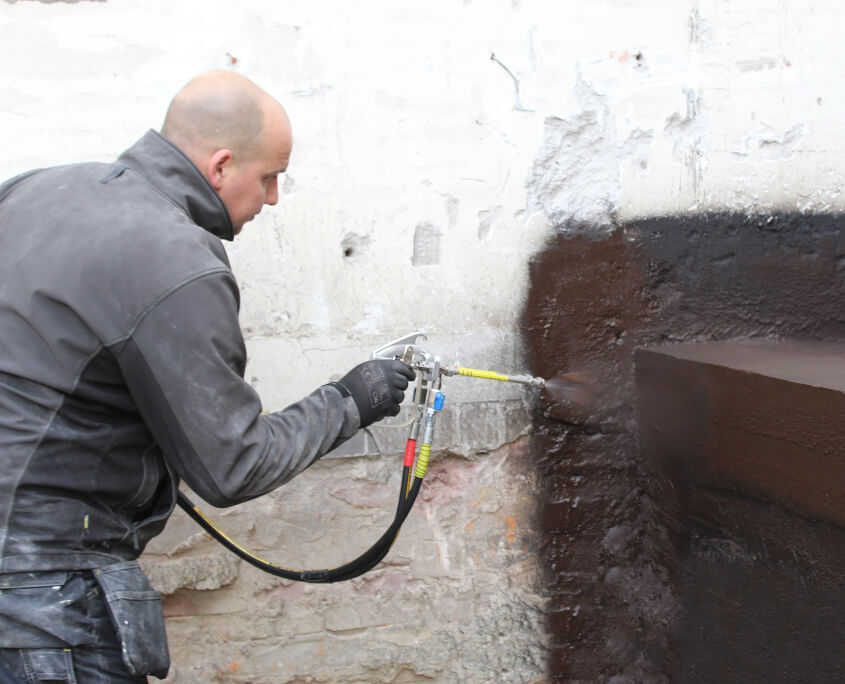
BelowGrade spray application to basement wall — two-component system
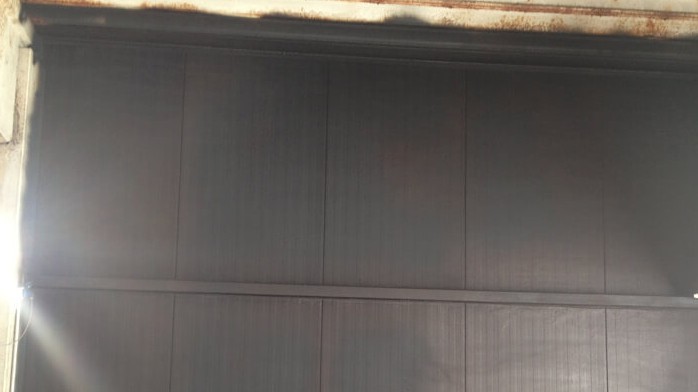
Seamless liquid rubber membrane applied to basement foundation walls
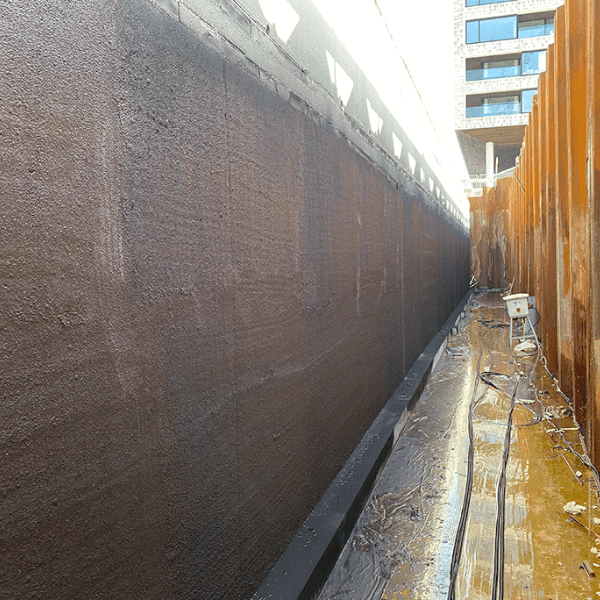
Liquid rubber applied to below-ground retaining wall — BelowGrade application example
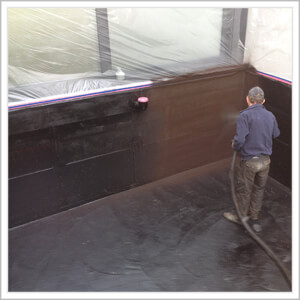
BelowGrade fully bonded membrane on below-ground structure
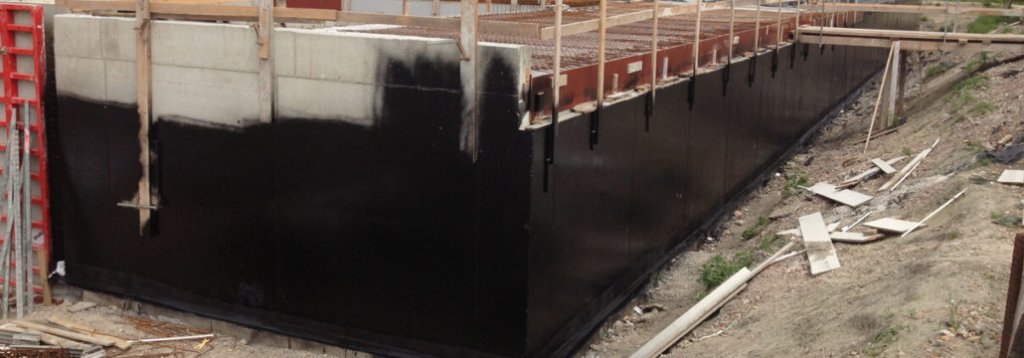
Liquid rubber fully bonded waterproof coating on foundation surface
Technical Documentation
BelowGrade Technical Documentation — Available on Request
Technical Data Sheets, Safety Data Sheets and application guidance are available directly from our technical team. Email Info@FortiNova.co.uk with the product name and document type required.
BelowGrade — Technical Information
BelowGrade — Technical Data Sheet
Available to download. Confirm current version before specification.
Safety Data Sheet — Component A
Available on request — contact technical team.
Safety Data Sheet — Component B
Available on request — contact technical team.
Application and Project Planning Guidance
Project-specific guidance available on request.
Related Systems
Important: All technical datasheets and safety documentation must be reviewed prior to specification and installation. Any warranty is project-specific and conditional on full compliance with manufacturer application requirements and trained approved applicator installation.
BelowGrade Common Questions
Specification intelligence for contractors, specifiers and waterproofing designers.
Discuss a BelowGrade Project
Submit the proposed structure, waterproofing requirements and available drawings for technical assessment, system guidance and project-specific support.
Below-Ground Design Review
Structural condition, groundwater, drainage and system suitability reviewed before specification.
Joint and Interface Assessment
All joints, penetrations and interfaces reviewed and detailed as part of the confirmed system design.
Specification and Warranty-Pathway Coordination
Warranty conditions and the approved applicator pathway confirmed before work begins.
BelowGrade Applicator Training — Blackburn, UK
Hands-On Product Training
Forti Nova hosts comprehensive BelowGrade application training at our Blackburn facility. Practical, hands-on instruction covering substrate preparation, mixing ratios, application techniques, detailing, and quality control. Designed for contractors and applicators seeking specification-grade installation capability.
- Substrate assessment and preparation protocols
- System-specific mixing and application
- Detailing for complex geometries
- Quality control and inspection procedures
- Environmental constraints and cure management
Approved Applicator Network
Forti Nova maintains a network of trained BelowGrade applicators across the UK. Specifiers and main contractors can request approved applicators for project tender and execution. Training ensures consistent application quality, specification compliance, and warranty validation support.
For Contractors
Become a Forti Nova approved applicator. Training, technical support, and project referral network access.
For Specifiers
Request approved applicators for tender lists. Verified training, technical capability, and warranty compliance support.
Training & Specification Support
Use the contact wizard to request training, join the applicator network, or specify BelowGrade for your project.
Related Applications & Resources
Is BelowGrade suitable for your project?
Request a technical assessment to verify system suitability and specification.