
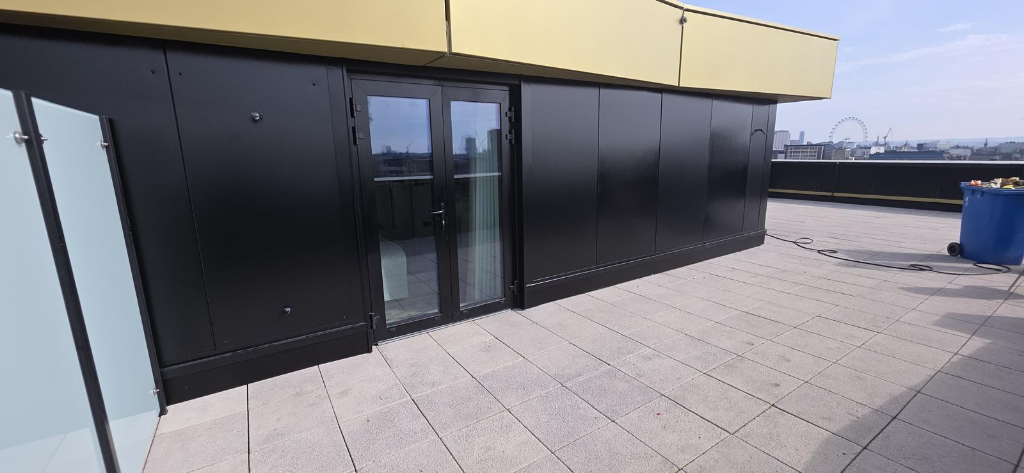

FireGuard Pro 200 — Thin-Film Reaction-to-Fire Surface Coating
A two-component high-solids polyurea-combination coating for suitable walls, ceilings, floors and other PDS-listed surfaces. The manufacturer PDS references an A2-s1,d0 classification for the exact construction documented under Classification Report 18831B, Warrington Fire Gent.
It is not an intumescent coating or structural fire-protection system. It does not provide a fire-resistance period. Professional application with the training and competency required by the current SDS, applicable UK requirements and the project jurisdiction.
A2-s1,d0
EN 13501-1 · Classification Report 18831B · Classified construction only
Chemistry
2-Component High-Solids Polyurea Combination
Applied Thickness
140–160 μm DFT per Layer — 150 μm Stated as Optimal
Reaction-to-Fire
A2-s1,d0 Referenced — Classified Construction Only
Drying
Dust Dry Approx. 45 Min at 20°C / 65% RH
FireGuard Pro 200 — Key Distinctions
Does it provide fire resistance?
No — reaction-to-fire classification only. No resistance period.
Is it intumescent?
No — it does not expand under heat. Not intumescent.
Is every coated surface A2-s1,d0?
No — classification applies to the exact tested construction only.
Can it be used without primer?
PDS states primerless, but pre-treatment guidance must be confirmed per project.
Does it protect structural steel?
No — not a structural steel fire-protection system.
Who can apply it?
Professional application with the training and competency required by the current SDS, applicable UK requirements and the project jurisdiction.
What is FireGuard Pro 200?
FireGuard Pro 200 is a two-component, high-solids, thin-film surface coating used within suitable documented constructions where improved reaction-to-fire performance is required. It is based on polyurea-combination chemistry and cures to a hard, wear-resistant, easily cleaned finish.
The manufacturer PDS references an A2-s1,d0 reaction-to-fire classification under EN 13501-1:2007+A1:2009 (Classification Report 18831B, Warrington Fire Gent). That classification applies only to the exact tested construction documented in that report.
FireGuard Pro 200 is considered where the project requires a documented reaction-to-fire surface classification and the proposed construction can be matched to the applicable evidence.
Reaction to Fire
Evaluates how a product or construction contributes to fire development — including flame spread, smoke production and flaming droplets. EN 13501-1 is the European classification standard for reaction to fire. A2-s1,d0 does not mean 30, 60, 90 or 120 minutes of fire resistance.
Fire Resistance — Not Applicable Here
Fire resistance concerns how long a structural element maintains integrity, insulation or load-bearing capacity under fire. FireGuard Pro 200 must not be presented as providing a fire-resistance period. Structural steel fire protection requires a separately specified and tested passive fire protection system.
A2-s1,d0 does not mean 30, 60, 90 or 120 minutes of fire resistance. It does not protect load-bearing elements. These are separate, distinct fire-safety requirements.
Verified Product Properties
Reaction-to-Fire Classification
Manufacturer PDS references A2-s1,d0 under EN 13501-1:2007+A1:2009, Report 18831B. Classification scope must be confirmed from the report before specification.
Wear Resistant
The PDS lists hardness under BS EN ISO 1580 and impact resistance under ISO 6272-1, with both results stated as passed.
Easy to Clean
The PDS lists easy cleanability as a product property. PDS-referenced tests: cleanability, water resistance and detergent resistance (ISO 2812-1, passed).
UV Resistance Referenced
The PDS references a QUV test under ISO 11507 (passed). The available public documentation does not establish unrestricted exterior service life or universal façade suitability. Confirm exposure, finish stability and maintenance expectations for the project.
Fast Cure
Dust dry in approximately 45 minutes at 20°C / 65% RH. Recoatable in 4 hours. Suitable for projects with constrained programme time.
Potential Application Contexts & Exclusions
The following contexts are PDS-listed potential application substrates and locations, subject to substrate preparation, compatibility and project-specific assessment. A substrate being listed as a potential application surface does not establish that every construction using that substrate is covered by Classification Report 18831B.
PDS-Listed Potential Application Contexts
Subject to substrate assessment, preparation confirmation and classification scope verification.
- Suitable Mineral Surfaces
Concrete, block, render and similar mineral substrates where preparation is confirmed.
- Suitable Metal Substrates
Metal surfaces within PDS scope. Not a structural steel fire-protection or intumescent system.
- Suitable Timber Constructions
Wood substrates where the full construction and preparation are confirmed.
- Suitable Plasterboard Constructions
Plasterboard in new build and refurbishment where the build-up is confirmed.
- Walls and Ceilings
Interior walls and ceilings in public buildings, commercial and residential contexts.
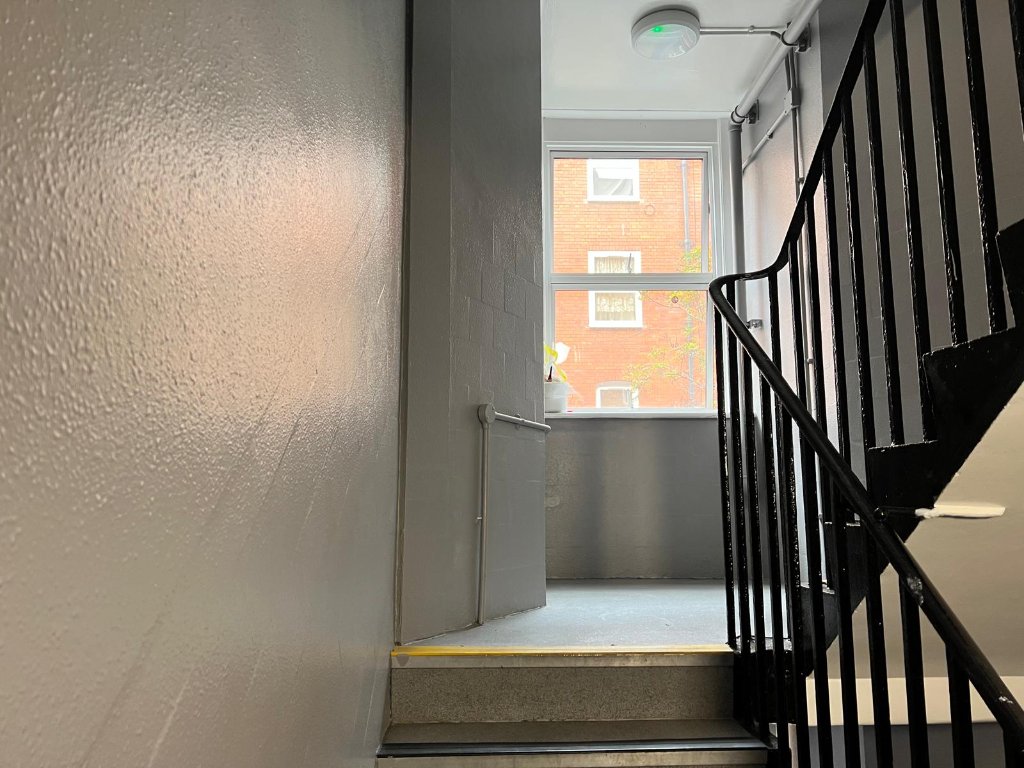
- Stairwell Finishes
Stairwell surfaces where improved reaction-to-fire performance is required by the fire strategy.
- Floors
Where the complete finish specification, slip performance and compatibility are confirmed.
- Exterior Façade Surfaces
Where exposure conditions, substrate compatibility and classification scope are separately confirmed.
Not Suitable Without Specific Confirmation
The following require separate evidence, design or product specification.
- Structural Steel Fire Resistance
Separate passive fire protection system required. FireGuard Pro 200 does not protect load-bearing steel.
- Load-Bearing Elements
Not specified or tested for protection of load-bearing structural elements.
- Intumescent Specification
FireGuard Pro 200 is not intumescent and does not expand under heat.
- Fire Stopping, Compartmentation, Cavity Barriers
These require separately specified and tested fire-stopping and penetration-sealing systems.
- Untested Coating Thickness or Build-Up
Film thickness outside 140–160 μm DFT is outside the PDS-stated range. Untested build-ups are outside classification scope.
- Untested Primer or Existing Coating Combinations
Applying over an existing coating of unknown compatibility is outside PDS guidance without specific assessment.
- Waterproofing Applications
FireGuard Pro 200 is not a waterproofing membrane. Waterproofing requires a separately specified system.
- Damaged or Structurally Defective Substrates
Application over structurally defective substrates is not appropriate.
Fire Strategy Coordination
Where FireGuard Pro 200 is proposed to meet a project fire-performance objective, its use should be coordinated with the project fire strategy and the appointed competent fire professional. Application of FireGuard Pro 200 alone does not make a building, stairwell, façade or escape route automatically compliant with Building Regulations. Always consult with Forti Nova and your appointed fire safety consultant before specifying.
Verified Technical Data — Prokol FireGuard Pro 200
Product Properties
Application Data
All times and values are approximate and affected by product temperature, relative humidity and layer thickness. Application thickness must follow the current PDS and the exact classified construction documented in Classification Report 18831B. The available PDS alone does not establish whether every application within the general 140–160 μm range is covered by the classification.
Relative Humidity
35% – 90% RH
Application outside this range is not recommended
Dew Point Margin
Surface must be ≥3°C above dew point
Check dew point table before application
Product Acclimatisation
Minimum 24 hours
Before application — avoid wide product/surface temperature differences
Mixing Instructions
Mechanical Mixing Required
2-component products must always be mechanically mixed using a continuously adjustable mixing machine at low speed (300–400 RPM). Use a clean mixing rod matched to the container size. Avoid mixing too fast or for too long to minimise air entrapment.
Mix Component A First
Mix component A (base) until it is a homogeneous mixture before adding the hardener.
Add Component B
Add component B (hardener — completely drained or scraped) to component A. Mix for at least 2–3 minutes until homogeneous. Transfer to a clean mixing bucket and mix again to exclude unmixed material from the bottom and sides.
Additives Last
If using additives such as quartz sand, only add once the mixture is homogeneous. Mix thoroughly again after adding.
Substrate Preparation
The PDS describes primerless application, but substrate preparation and any project-specific pre-treatment requirements must be confirmed against the current Prokol Surface Pre-treatment guidance before application. The Surface Pre-treatment sheet is available on request via the Forti Nova technical team.
Product Familiarisation and Competent Application
Diisocyanate Training and Competency
The hardener SDS (42081-H) states that adequate training is required before industrial or professional use from 24 August 2023. The hardener contains Hexamethylene diisocyanate (HDI) oligomers at 75–<100% concentration. Applicators must follow the current SDS, applicable UK legal requirements, task-specific COSHH assessment and site controls. Confirm the training and competency requirements applying to the project jurisdiction before use.
EUH204 label statement: "Contains isocyanates. May produce an allergic reaction."
Safe Handling Controls
- For professional use only — not for DIY application
- Apply in well-ventilated conditions
- Wear appropriate gloves, eye protection and RPE
- Conduct a task-specific COSHH assessment before work begins
- Refer to current SDS (42081-B and 42081-H) before use
- Keep away from heat, sparks and open flames (base is flammable liquid)
- Hardener: harmful if inhaled — use only outdoors or in well-ventilated area
Warranty Position: The manufacturer documentation addresses manufacturing defects and makes performance conditional on correct preparation, mixing and application. No fixed warranty period is stated. Performance is conditional on correct surface pre-treatment, mixing ratio, application method and film thickness. Always refer to the most recent PDS and SDS before application.
Classification, Product Image & Documentation
A2-s1,d0 — EN 13501-1:2007+A1:2009
Referenced by the manufacturer PDS under Classification Report 18831B, Warrington Fire Gent. The exact classified substrate, preparation, coating build-up and scope must be confirmed from the classification report before specification.
A2 = limited contribution to fire | s1 = very limited smoke production | d0 = no flaming droplets or particles
Classification boundary: The A2-s1,d0 classification does not automatically transfer to untested substrates, primers, existing coatings, different film thicknesses or complete wall, floor, ceiling or façade constructions.
Referenced Performance Data
The following tests and results are listed in the manufacturer PDS. The fire-retardant classification is referenced under Classification Report 18831B, Warrington Fire Gent. Test laboratory for other listed tests is not identified in the available PDS.
The manufacturer PDS references A2-s1,d0 under EN 13501-1:2007+A1:2009, Classification Report 18831B, Warrington Fire Gent. Exact test scope must be confirmed from the report.
Product Image & Installation Gallery
View All GalleryVerified product container and documented FireGuard Pro 200 installation photography.
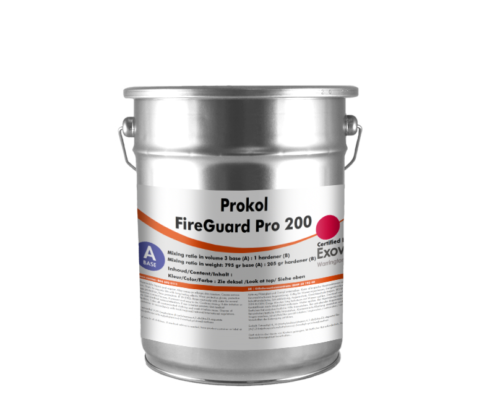
Prokol FireGuard Pro 200 product container
FireGuard Pro 200 polyurea coating application — A2-s1,d0 fire class coating by Forti Nova
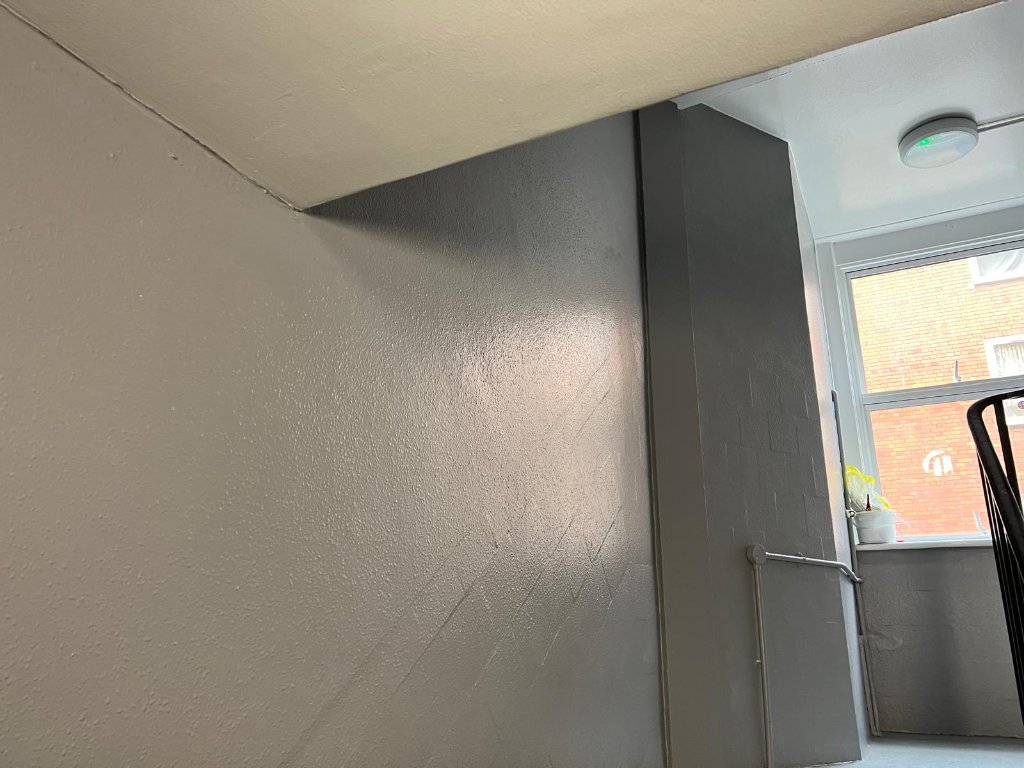
FireGuard Pro 200 applied surface — high-solid 2K polyurea fire protection coating
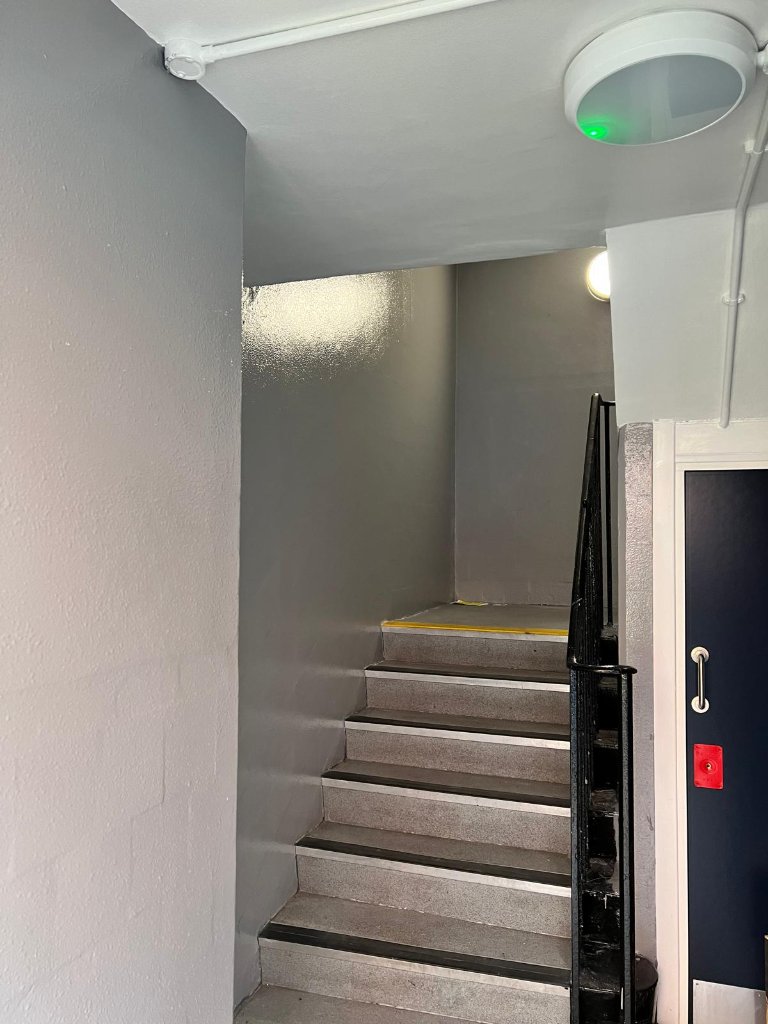
FireGuard Pro 200 completed coating finish — independently tested fire protection
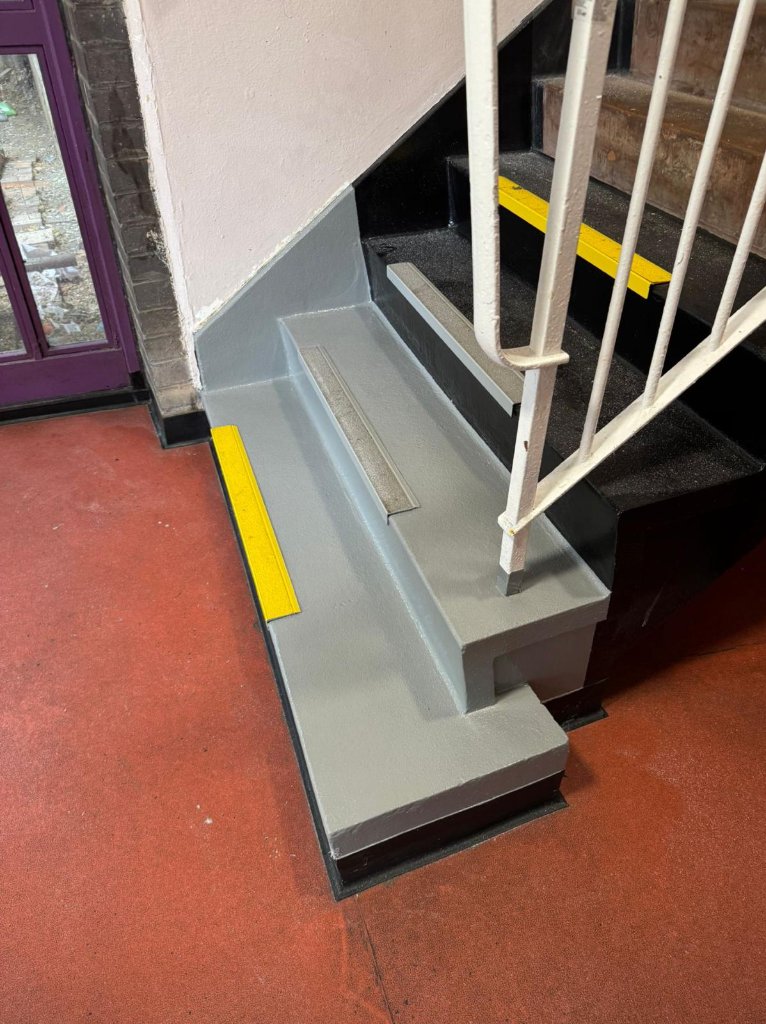
FireGuard Pro 200 applied to stairwell steps — fire protection coating
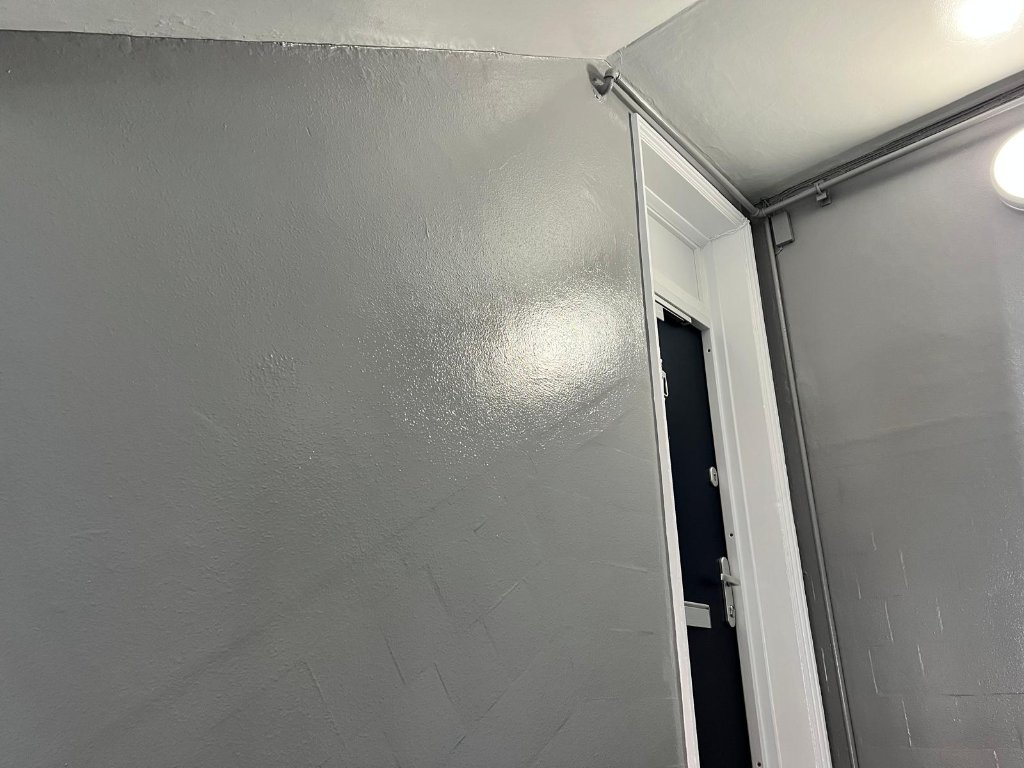
FireGuard Pro 200 wall and ceiling coating — A2 fire class polyurea system
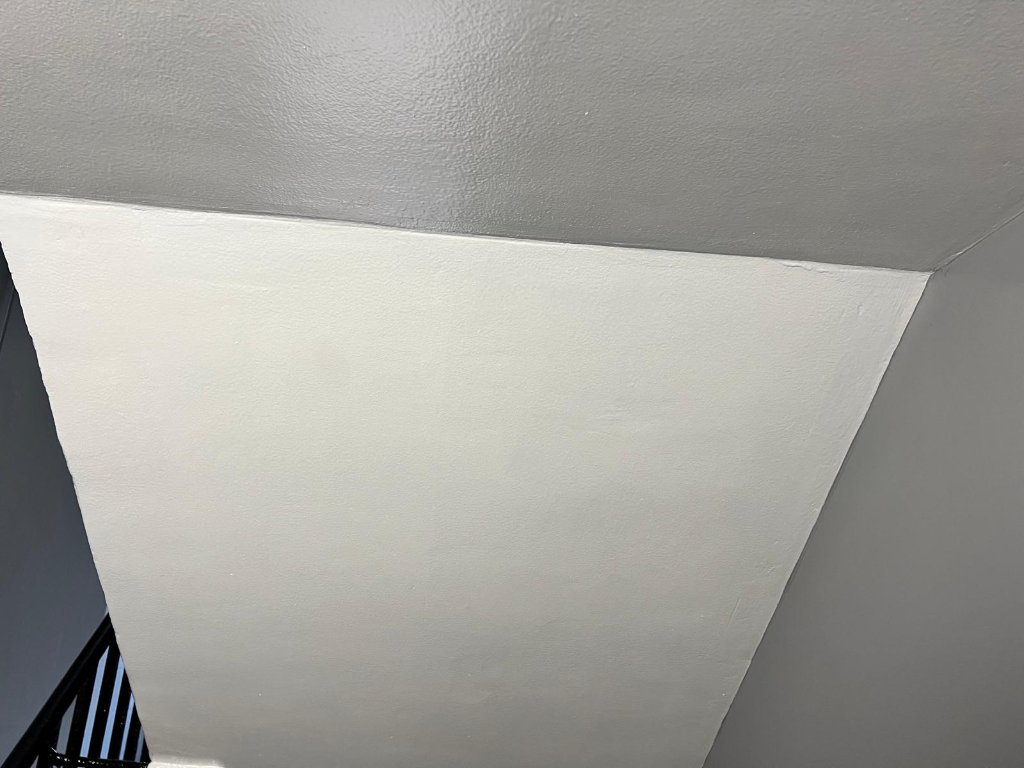
FireGuard Pro 200 ceiling application — Prokol fire-rated coating
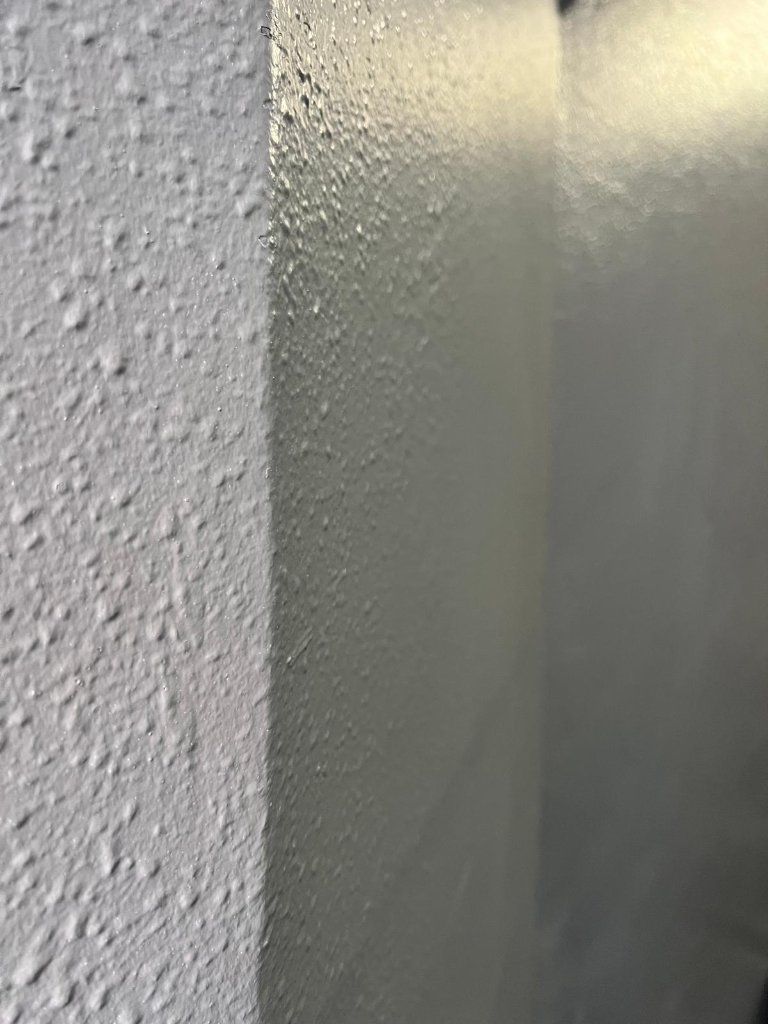
FireGuard Pro 200 surface texture close-up — high-solid polyurea coating
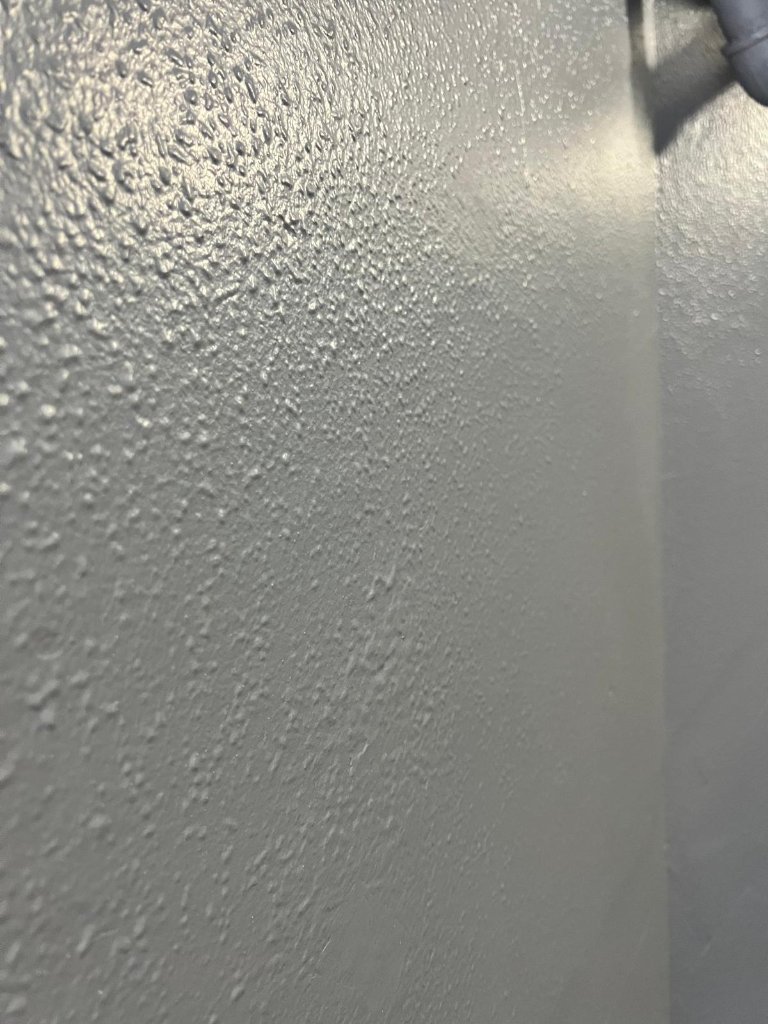
FireGuard Pro 200 wall finish detail — fire protection coating by Forti Nova
Technical Documentation
FireGuard Pro 200 Technical Documentation — Available on Request
Technical Data Sheets, Safety Data Sheets and application guidance are available directly from our technical team. Email Info@FortiNova.co.uk with the product name and document type required.
FireGuard Pro 200 — Technical Information
FireGuard Pro 200 — Product Data Sheet, Article 42081 (Rev. 31-10-2025)
FireGuard Pro 200 — Safety Data Sheet: Base Component, Article 42081-B
FireGuard Pro 200 — Safety Data Sheet: Hardener Component, Article 42081-H
Classification Report 18831B — EN 13501-1 (Warrington Fire Gent) — Available on Request
Prokol Surface Pre-treatment Guidance — Available on Request
Important: All technical datasheets and safety documentation must be reviewed prior to specification and installation. Any warranty is project-specific and conditional on full compliance with manufacturer application requirements and trained approved applicator installation.
FireGuard Pro 200 — Common Questions
For contractors, specifiers and facilities managers.
Enquire About FireGuard Pro 200
Submit the substrate, existing finish, proposed area, location within the building, required fire-performance objective and available fire documentation for technical assessment guidance. Classification Report 18831B and Surface Pre-treatment guidance available on request.
Forti Nova does not provide Building Regulations approval, fire-engineering design, Building Control approval or guaranteed classification transfer outside the documented tested construction. Contact your appointed fire safety consultant for fire strategy requirements.
Product Familiarisation and Competent Application
Correct application of FireGuard Pro 200 is critical to fire performance. Film thickness, mixing ratios and substrate preparation must be controlled precisely. Forti Nova supports specifiers and applicators through the assessment and application process.
- Technical assessment of proposed substrate and construction
- Confirmation of classification scope against Report 18831B
- Surface pre-treatment guidance
- Film thickness monitoring and application support
- Confirm training and competency satisfy current SDS, applicable UK requirements and project controls
Before You Specify
Verify FireGuard Pro 200 Scope
Technical assessment — classification scope, substrate confirmation and application support available.